
Platelet-rich plasma (PRP) injections have become one of the most talked-about treatments in sports medicine and joint care. If you’ve searched for a “PRP injection near me” or wondered how much a PRP knee injection costs in the UK, this guide covers everything you need to know, from how the treatment works to what you can expect to pay.
At Friends Medical Service, our PRP injection service uses your own blood to kick-start your body’s natural repair process, helping treat joint pain, tendon injuries and sports injuries without surgery.
What Is a PRP Injection?
A PRP injection, short for platelet-rich plasma injection, is a treatment that uses a concentrated sample of your own blood to encourage healing in an injured or painful area. Platelets are the tiny cells in your blood responsible for clotting, but they’re also packed with growth factors that signal your body to repair damaged tissue.
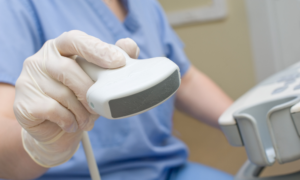
To create PRP, a small blood sample is taken and spun in a centrifuge, separating out the platelet-rich layer from the rest of the blood. That concentrated plasma is then injected directly into the area that needs it, usually a joint, tendon or ligament, often using ultrasound guidance to make sure it reaches exactly the right spot.
Because the treatment uses your own blood, the risk of allergic reaction or rejection is very low, which is a big part of why PRP therapy has grown so popular for both musculoskeletal and cosmetic use.
How Do PRP Injections Work?
The process is straightforward and typically completed in a single appointment:
- Blood draw – A small sample of blood is taken from your arm, similar to a standard blood test.
- Centrifugation – The sample is spun at high speed in a centrifuge, separating red blood cells from the platelet-rich plasma.
- Preparation – The concentrated PRP is drawn up into a syringe, ready for injection.
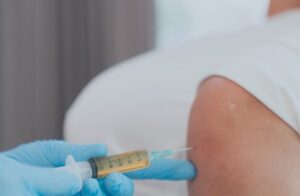
- Guided injection – Using ultrasound guidance, the PRP is injected precisely into the affected joint, tendon or soft tissue.
- Recovery – Most patients can go home the same day, with only minor restrictions on activity for the first 24–48 hours.
The growth factors in the PRP then get to work, stimulating your body’s own healing response in the treated area over the following weeks.
What Can PRP Injections Treat?
PRP therapy is best known for treating musculoskeletal conditions, but its regenerative properties mean it’s used in other areas of medicine too. Common uses include:
- Tendon injuries (such as tennis elbow and Achilles tendinopathy)
- Ligament sprains and tears
- Muscle strains
- Osteoarthritis and joint pain
- Chronic tendonitis
- Post-surgical soft tissue recovery
- Slow-healing sports injuries
PRP Injections for the Knee
One of the most common questions we’re asked is about PRP injections for the knee, and it’s easy to see why: knee pain from osteoarthritis or sports injury is one of the most frequent reasons people look into PRP treatment.
A PRP knee injection works by delivering concentrated platelets directly into the knee joint, usually under ultrasound guidance for accuracy. This can help to:
- Reduce pain and stiffness associated with knee osteoarthritis
- Support cartilage and soft tissue repair
- Delay the need for more invasive treatment in some cases
- Improve mobility and function for active patients
If you’ve been searching for a “PRP injection to the knee” or “PRP injections in the knee” as an alternative to long-term pain medication or surgery, it’s worth discussing your suitability with a GP or specialist first, since the right treatment depends on the severity and cause of your knee pain.
PRP for Hair Loss and Facial Rejuvenation
PRP is also widely used outside of orthopaedics, most commonly for PRP injections for hair loss and PRP injections for the face. In these applications, the same concentrated platelets are injected into the scalp or skin to stimulate collagen production or encourage hair follicle activity, and it’s become a popular option in cosmetic and dermatology clinics.
At Friends Medical Service, our PRP service is focused on musculoskeletal conditions (joint pain, tendon injuries and sports-related recovery) delivered by our experienced clinical team. If hair or facial PRP is what you’re researching, it’s worth confirming with any provider that they’re appropriately qualified and that the clinic follows recognised clinical standards, as regulation in the cosmetic PRP space varies.

Key Benefits of PRP Injections
- Promotes natural healing – Growth factors in PRP accelerate your body’s own tissue repair process.
- Reduces pain and inflammation – Particularly effective for chronic conditions like tendonitis and arthritis.
- Speeds up recovery – Helpful for athletes and active individuals recovering from injury or surgery.
- Minimally invasive – No incisions, minimal downtime, and most patients resume normal activity quickly.
- Low risk of complications – Because it uses your own blood, the risk of allergic reaction is very low.
- Long-lasting results – Many patients experience relief that lasts months, rather than needing repeated short-term treatments.
PRP Injection Cost in the UK
Cost is one of the biggest factors people weigh up before booking, and searches for “PRP injection cost UK” and “PRP injection price” are some of the most common questions we get asked. Pricing can vary depending on:
- The clinic and its location
- Whether the injection is ultrasound-guided
- Whether you need a GP referral appointment first
- The number of sessions recommended for your condition
- Whether the treatment is for a joint/tendon or a cosmetic application
At Friends Medical Service, our current pricing is:
| Service | Price |
|---|---|
| PRP Guided Injection | £650 |
| GP Referral Appointment (if you don’t already have a referral) | £70 |
If you’re comparing a “PRP knee injection cost near me” across different providers, make sure you’re comparing like for like: ultrasound-guided injections performed by experienced clinicians typically cost more than non-guided treatments, but the added precision can make a meaningful difference to results. You can view full details and book directly via our PRP Injection service page.
Who Can Benefit from PRP Injections?
PRP therapy isn’t right for everyone, but it’s worth considering if you fall into one of these groups:
- Athletes and active individuals recovering from tendon, ligament or muscle injuries
- People with chronic joint pain, including osteoarthritis
- Post-surgical patients looking to support tissue repair
- Anyone exploring alternatives to long-term pain medication or corticosteroid injections
As with any treatment, a consultation with a GP or specialist is the best way to confirm whether PRP is appropriate for your specific condition.
What to Expect During and After Treatment
- Before your appointment: You may be asked to avoid anti-inflammatory medications (such as ibuprofen) in the days leading up to treatment, as these can interfere with platelet function.
- During the procedure: A small blood sample is taken, processed, and injected into the target area; the whole appointment usually takes under an hour.
- Immediately after: Some mild soreness, swelling or bruising at the injection site is normal and usually settles within a few days.
- The following weeks: Healing continues gradually as the growth factors stimulate tissue repair; many patients notice improvement over several weeks rather than overnight.
Is PRP Safe?
PRP is generally considered a safe, minimally invasive procedure. Because the injection uses your own blood, the risk of allergic reaction or disease transmission is very low. As with any injection, there’s a small risk of infection, bruising or temporary discomfort at the injection site, which your clinician will talk through with you before treatment.
Why Choose Friends Medical Service for PRP Injections
- Ultrasound-guided precision – Our PRP injections are guided by ultrasound imaging for accuracy, delivered as part of our wider Ultrasound & Ultrasound Guided Injection service.
- Experienced clinical team – Our team includes radiologists, consultants and medical professionals experienced in PRP therapy.
- No referral? No problem – If you don’t already have a referral, you can book a GP Referral Appointment with our in-house GP.
- Support for sports injuries and joint pain – PRP often complements our Sports Injury & Physio service as part of a wider recovery plan.
If you’d like to discuss whether PRP is right for you, get in touch with our team or book directly through our PRP Injection service page.
Frequently Asked Questions
What is a PRP injection?
A PRP injection uses a concentrated sample of your own blood, rich in platelets and growth factors, injected into an injured or painful area to stimulate natural healing.
Do I need a referral for a PRP injection?
Yes. However, if you don’t already have a referral, you can book a GP referral appointment with our own in-house private GP to discuss your suitability.
How much does a PRP injection cost in the UK?
Prices vary by clinic and by whether the injection is ultrasound-guided. At Friends Medical Service, a PRP Guided Injection costs £650, with a £70 GP referral appointment available if needed.
How many PRP sessions will I need?
This depends on the condition being treated. Some patients see benefit from a single injection, while others may be advised to have a short course; your clinician will discuss what’s appropriate for you.
When will I see results from a PRP injection?
Most patients notice gradual improvement over several weeks as the growth factors stimulate tissue repair, rather than immediate relief.
Is a PRP injection painful?
You may feel some pressure or mild discomfort during the injection, and some soreness afterwards, but the procedure is generally well tolerated.
Does insurance cover PRP therapy?
Coverage varies by provider and policy, so it’s worth checking directly with your insurer before booking.
Can PRP injections treat knee osteoarthritis?
Yes, PRP is commonly used for knee osteoarthritis and joint pain, often to reduce symptoms and support function alongside other treatments.
Further Reading
For more independent, patient-friendly information on PRP therapy, these resources are a good starting point:
- NICE: Platelet-rich plasma injections for knee osteoarthritis — Information for the public,
- Royal National Orthopaedic Hospital: A Patient’s Guide to Platelet Rich Plasma (PRP) Blood Injection,
- Royal Berkshire NHS Foundation Trust: Platelet-rich plasma injection leaflet,
Get Started with PRP Injections
Whether you’re dealing with a stubborn sports injury, chronic joint pain or knee osteoarthritis, PRP therapy offers a minimally invasive way to support your body’s own healing process. Explore our PRP Injection service or contact our team to find out whether it’s the right option for you.