
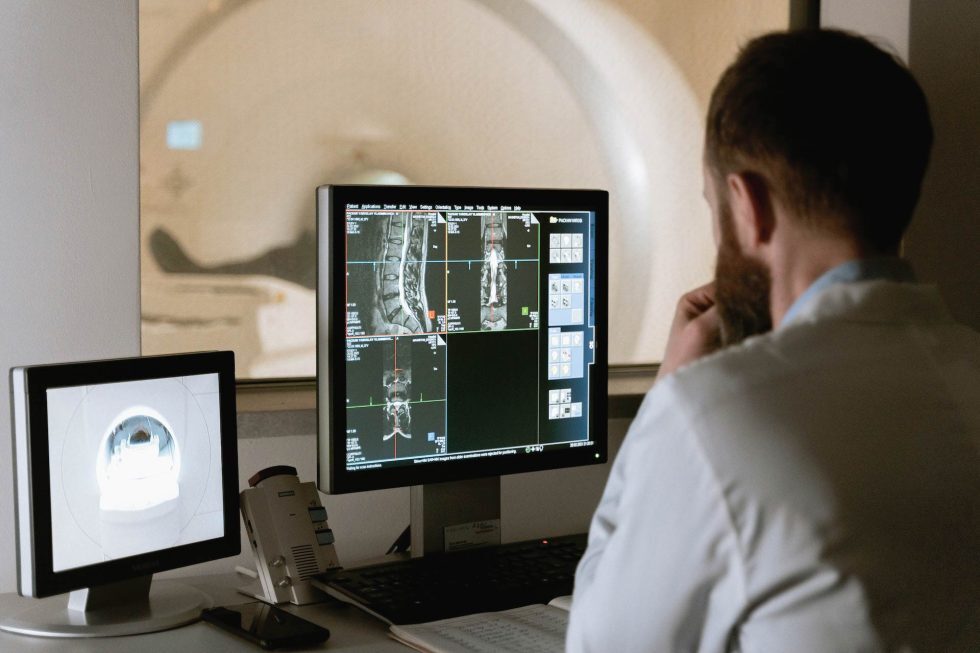
Our health is something we often take for granted until we, or a loved one, falls ill. The NHS remains an invaluable UK institution, but growing pressure on services means that securing a timely appointment, a scan or a specialist referral is becoming increasingly difficult. For anyone dealing with a health concern, a long wait for investigation or treatment can be stressful, and in some cases genuinely risky to their health.
This is where private healthcare comes in. If you’ve been considering booking a private GP appointment but are unsure what to expect, or you’re weighing up a full body health check against sitting on an NHS waiting list, this guide walks through exactly what a private medical centre offers, how it compares with NHS care, and how to choose a provider you can trust.
What Is a Private Medical Centre?
Private healthcare refers to medical treatment you pay for yourself, either directly or through private medical insurance, at a facility that operates independently of the NHS. A private medical centre has its own doctors, nurses, consultants and equipment, and sets its own appointment schedule rather than working from an NHS waiting list.
Independent providers still have to meet strict quality and safety standards. In Northern Ireland, private clinics and independent hospitals are regulated and inspected by the Regulation and Quality Improvement Authority (RQIA), the equivalent of the Care Quality Commission (CQC) which covers providers in England. This means you can check a private medical centre’s inspection history before booking, giving you the same reassurance around safety and standards that you’d expect from the NHS.
Why Are People Turning to Private Care?
A few common triggers tend to push people toward private treatment:
- Long NHS waiting times for GP appointments, diagnostic tests and specialist referrals.
- Difficulty getting a same-day or same-week GP appointment, especially for working parents or people with unpredictable schedules.
- Wanting a second opinion on a diagnosis or treatment plan.
- Needing a specific test or report quickly — for example, a driving medical, sports medical certificate, or a medico-legal report with a deadline attached.
- Preferring continuity — seeing the same GP or consultant at every visit rather than whoever is available.
- Wanting a proactive health check rather than waiting until symptoms become serious.
None of this means the NHS isn’t valuable; it means private care fills a gap when speed, choice or convenience matter most.
Key Benefits of Choosing a Private Medical Centre
1. Prompt Access to Appointments and Specialists
This is usually the single biggest reason people search for a “private GP near me” or a “private doctors near me.” Rather than waiting weeks for a routine appointment, or months for a specialist referral, private medical centres like Friends Medical Service can typically offer:
- Same-week (often same-day) private GP appointments
- Online GP consultations for people who can’t easily get to a clinic
- Direct access to consultants — cardiologists, rheumatologists, gynaecologists and more — without a lengthy referral pathway
- Fast turnaround on scans, blood results and medical reports
For people who need ongoing, unhurried access to a GP, a private GP subscription plan can also work out more cost-effective than paying per visit — we’ve covered how these plans work in our guide to private GP subscription plans in Northern Ireland.
2. Personalised, Unhurried Care
Private appointments are rarely rushed. Without the same time pressures as busy NHS clinics, private GPs and consultants can take the time to properly understand your history, explain your options, and agree a treatment plan you’re comfortable with — rather than a ten-minute slot.
3. State-of-the-Art Facilities and Equipment
Investment in modern diagnostic equipment is one of the practical advantages of private care. At Friends Medical Service, this includes on-site facilities for:
- Ultrasound scanning and ultrasound-guided injections
- ECG (electrocardiogram) testing
- DEXA (bone density) scanning
- Lung function and pulmonary function testing
- Blood testing and full health screening
Modern equipment, combined with consultant-led interpretation, generally means a faster and more accurate diagnosis.
4. Enhanced Privacy and Confidentiality
Private consultations take place in a discreet, one-to-one setting, which matters for sensitive concerns such as sexual health, weight management or gynaecological issues. Confidential handling of your medical information is a legal requirement for every provider, NHS or private, but smaller private clinics often mean less footfall, quieter waiting areas, and fewer people involved in your care overall.
5. Flexible Appointment Times
Private clinics can generally offer more flexibility around when you’re seen, including early morning, evening or weekend slots, which makes it far easier to fit healthcare around work and family life rather than the other way round.
6. Continuity of Care
For anyone managing a long-term condition, seeing the same GP or consultant at every appointment makes a real difference. Private medical centres are typically better placed to offer this continuity, coordinating between different specialists where needed rather than leaving you to explain your history from scratch each time.

Where Private Care Makes the Biggest Difference
Private healthcare isn’t just about GP appointments. It covers a wide range of diagnostic tests, screenings and specialist services that can otherwise involve a long NHS wait. Below are some of the areas where patients most commonly turn to private providers.
Full Health Checks and Health Screening
A full body health check (sometimes called a full body MOT, health MOT or health screening) is a proactive way to catch problems early, rather than waiting for symptoms to appear. A typical private health check — similar in scope to the health assessments offered by providers such as Bupa — usually includes:
- Blood pressure and heart rate checks
- Blood testing (cholesterol, kidney and liver function, diabetes markers, and more)
- Height, weight and BMI assessment
- A physical examination and health discussion with a GP
We’ve written a full guide on how to prepare for a routine medical check-up, including what to bring and what to expect. For bone health specifically, a DEXA (DXA) scan measures bone density to check for osteoporosis risk — see our guide to private DEXA scans in Northern Ireland and our wider article on bone health explained.
Heart Health: Blood Pressure, ECGs and Echocardiograms
High blood pressure (hypertension) is one of the most common reasons people book a private heart health check, and for good reason: according to the NHS, high blood pressure usually causes no obvious symptoms at all, which is exactly why regular checking matters. When symptoms of high blood pressure do occur, they can include headaches, blurred vision or nosebleeds — but the only reliable way to know your numbers is to have them checked.
Private cardiology services can include:
- ECG (electrocardiogram) testing — a quick, painless test that checks your heart’s electrical activity and rhythm, and can pick up an abnormal ECG reading in minutes
- Echocardiograms — an ultrasound scan of the heart used to assess heart valves, chamber size and pumping function; the NHS explains what an echocardiogram involves and what it can show
- Holter monitoring — a portable ECG worn over 24–48 hours to catch irregular heart rhythms that a single in-clinic ECG might miss
- Assessment for white coat hypertension, where blood pressure readings are elevated in a clinical setting but normal elsewhere, usually confirmed through home or ambulatory monitoring
- Screening relevant to congestive heart failure and other heart disease risk factors
A private cardiologist appointment can bring all of this together with same-week access rather than a lengthy hospital referral.
Skin Lesions: Skin Tags, Moles, Lipomas and Ganglion Cysts
Skin lesions are one of the most searched-for private treatment categories, and it’s easy to see why: the NHS is clear that skin tag removal is considered cosmetic and is very rarely funded on the NHS, even though skin tags are extremely common.
A few of the key facts worth knowing:
- What are skin tags? Small, soft, skin-coloured growths, usually found on the neck, armpits, eyelids or groin, caused by skin rubbing against itself. NI Direct notes they’re more common in people who are living with obesity, have type 2 diabetes, or are pregnant.
- Why do you get skin tags? They form from loose collagen fibres and blood vessels under the skin, most often where skin folds rub together.
- Lipomas are soft, slow-growing fatty lumps under the skin — usually harmless, though some people choose to have them removed if they’re uncomfortable or cosmetically bothersome.
- Ganglion cysts are fluid-filled lumps that typically develop near a joint or tendon, most commonly on the wrist or hand.
- Moles can appear anywhere on the body; a mole check is worth booking if a mole changes shape, size or colour.
Friends Medical Service offers minor surgical removal for all of these (except for ganglion cysts), along with mole checks (but not mole mapping) for anyone monitoring changes over time. Full details are in our dedicated guide to private minor surgery for skin tags, lipomas, ganglion cysts and moles in Northern Ireland, or book directly via our Minor Surgery service page.
Joint Pain, Gout and Rheumatology
Joint pain has a wide range of causes, and getting the right diagnosis matters. Gout is a form of inflammatory arthritis caused by a build-up of uric acid, and typically causes sudden, severe pain, swelling and redness, most often in the big toe, though it can also affect the fingers and other joints — the NHS gout page has a full symptom breakdown. Other forms of arthritis, including rheumatoid arthritis and osteoarthritis, need different investigation and treatment approaches, which is why seeing a rheumatologist for a proper diagnosis is worthwhile if symptoms persist.
Private rheumatology and musculoskeletal services can include:
- Consultant-led assessment for gout, rheumatoid arthritis and osteoarthritis
- Cortisone (steroid) injections, often given under ultrasound guidance for accuracy
- Blood testing to check inflammatory markers and uric acid levels
- Ultrasound imaging of affected joints
For sports-related joint or muscle injuries specifically, our sports injury and physio service and dedicated sports injury and physiotherapy guide cover assessment and treatment pathways in more detail, and our rheumatology guide explains what to expect from a rheumatology referral.
Women’s Health and Ultrasound Scans
Private gynaecology services cover everything from routine reviews to investigation of specific symptoms, including transvaginal ultrasound scans, which give a detailed view of the uterus and ovaries and are commonly used to investigate irregular bleeding, pelvic pain or fertility concerns. Our private gynaecology service and related gynaecology guide cover this in more depth, alongside our broader private ultrasound scan guide for anyone comparing scan types and costs.
Private sexual health clinics also give patients a discreet, fast alternative to NHS sexual health services — see our guide to private STI/STD testing in Northern Ireland for more.
Ear, Lung and Sleep Services
A handful of everyday but disruptive issues are also common reasons people go private:
- Ear wax removal: Private ear wax extraction and hearing tests are usually available far faster than NHS audiology waits. Our ear wax removal guide explains the microsuction process
- Lung function testing: This includes spirometry and FeNO testing, which is used to help diagnose and monitor conditions like asthma. See our lung function test guide and dedicated asthma symptoms and testing article
- Sleep studies: This is for anyone with suspected sleep apnoea or other sleep disorders. Our private sleep analysis guide covers what a sleep clinic assessment involves
Vasectomy and Other Procedures
For men considering permanent contraception, a private vasectomy offers a faster route to consultation and surgery than the NHS pathway in most areas, along with a choice of appointment times. Friends Medical Service offers a no-scalpel vasectomy, a minimally invasive technique using a single puncture rather than a surgical incision — our guide to reasons to get a no-scalpel vasectomy covers the procedure, recovery and typical vasectomy cost in the UK.
We also offer ultrasound-guided injections for joint and soft tissue pain — see are ultrasound-guided injections painful? — and medical reports for driving, sport and legal purposes, detailed in our medico-legal reports guide and sports medical certificates guide.
How to Choose a Private Medical Centre
Not all private providers are equal. Before booking, it’s worth checking:
- Regulation and inspection history — in Northern Ireland, check the provider is registered with RQIA; in England, check CQC ratings.
- Qualifications of the doctors and consultants — look for GMC registration and relevant specialist qualifications.
- What’s actually included in the appointment or package price, and whether follow-up is covered.
- Turnaround time for results, scans and reports.
- Location and accessibility — how easy the clinic is to get to, and whether appointments fit around your schedule.
- Reviews and reputation, including how the clinic communicates and follows up after your visit.

Why Choose Friends Medical Service?
Our approach is built around three principles that guide everything we do:
- Respect — treating every patient and staff member with dignity, and maintaining open channels for feedback across all our services.
- Trust — consistently high standards across our GPs, consultants and clinical team, so patients feel genuinely cared for.
- Accountability — transparency and honesty in every interaction, giving patients the information they need to make informed decisions about their care.
We provide services to both NHS and private patients across Northern Ireland, offering an extensive range of GP services, diagnostic scans, minor surgical procedures and specialist consultant clinics — all with the aim of prompt, proficient care from start to finish.
FAQs
Is private healthcare worth it?
It depends on your priorities. If speed, choice of appointment time, continuity of care or access to specific tests and consultants matters to you, private healthcare is generally worth the cost for many patients, particularly for one-off needs like a health check, minor procedure or specialist opinion.
How much does a private GP appointment cost?
Costs vary by provider and appointment type. Contact your chosen clinic directly for current pricing, as fees depend on whether you need a standard consultation, a health check, or a specific test alongside your appointment.
Do I need insurance to use a private medical centre?
No. Many patients pay for private healthcare directly, without insurance, particularly for one-off appointments, tests or minor procedures.
Can I use private and NHS care at the same time?
Yes. You can use private healthcare for some things (for example, a faster diagnostic scan) while continuing to use your NHS GP for ongoing prescriptions and long-term condition management.
What’s the difference between an ECG and an echocardiogram?
An ECG measures your heart’s electrical activity and rhythm using sensors on your skin, whereas an echocardiogram is an ultrasound scan that shows the physical structure of your heart, including its chambers and valves. They’re often used together to build a full picture of heart health.
Are private clinics regulated in the same way as the NHS?
Yes. In Northern Ireland, private clinics and independent hospitals are inspected by RQIA; in England, the equivalent body is the CQC. Both apply similar standards around safety, effectiveness and quality of care.
Book a Private GP Appointment Today
If you’re looking for a private medical centre in Northern Ireland, Friends Medical Service offers an extensive range of GP services, diagnostic scans, minor surgical procedures and specialist consultant clinics, for both NHS and private patients.
Book an appointment online, or get in touch with our team to discuss which service is right for you.