
Paediatric Endocrinology: A Parent’s Guide to Children’s Hormonal Health
Hormones influence almost every part of a child’s development, whether it’s how tall they grow, when puberty begins, how their body manages blood sugar and how their bones and metabolism mature. When something in this system isn’t working as it should, the effects can show up in ways that are easy to put down to “just a phase”, such as a child who isn’t growing at the expected rate, unexplained tiredness, or puberty that starts unusually early or late.
This is where paediatric endocrinology comes in. It’s the branch of medicine dedicated to diagnosing and managing hormonal and metabolic conditions in babies, children and teenagers. This guide walks through the most common conditions a paediatric endocrinologist treats, the warning signs parents should know and when it’s time to seek specialist advice.
If you’re searching for a paediatric endocrinologist near you in Northern Ireland, Friends Medical Service offers consultant-led Paediatric Endocrinology clinics with Dr Noina Abid, a Belfast-based Consultant Paediatric Endocrinologist.
What Is Paediatric Endocrinology?
Paediatric endocrinology is the specialty concerned with the endocrine glands and the hormones they produce in children, from birth through to the end of adolescence. These glands include the:
- Pituitary gland, often called the “master gland”, which regulates growth and controlling other hormone-producing glands,
- Thyroid gland, which governs metabolism, energy and growth,
- Adrenal glands, which manage stress response, blood pressure and salt balance,
- Pancreas, which produces insulin, the hormone that controls blood sugar,
- Ovaries and testes, which drive puberty and reproductive development, and
- Parathyroid glands, which regulate calcium and bone metabolism.
Because children are still growing, a hormonal imbalance in any of these systems can have knock-on effects on height, weight, bone strength, energy levels and emotional wellbeing. Early diagnosis and treatment by a paediatric endocrinologist can make a significant difference to a child’s long-term health and quality of life.

Common Conditions Seen in Paediatric Endocrinology
Growth Disorders and Growth Hormone Deficiency
One of the most frequent reasons families are referred to a paediatric endocrinologist is a concern about growth. Growth is tracked against standardised charts and a child who consistently falls below the expected curve, or whose growth suddenly slows, may need further investigation.
Growth hormone deficiency (sometimes called human growth hormone deficiency or growth hormone insufficiency) occurs when the pituitary gland doesn’t produce enough growth hormone. Signs can include:
- Height significantly below average for age and sex
- A growth rate that slows noticeably year on year
- Delayed puberty in some cases
- A “young-looking” or rounded facial appearance in younger children
Diagnosis typically involves blood tests, growth hormone stimulation testing and sometimes imaging of the pituitary gland. Treatment usually involves a daily growth hormone injection, which is closely monitored and adjusted as the child grows. With early treatment, many children reach a height within the normal range for their family.
Type 1 and Type 2 Diabetes in Children
Diabetes mellitus is one of the most common chronic conditions managed in paediatric endocrinology.
-
Type 1 diabetes
- It is an autoimmune condition where the pancreas stops producing insulin. It typically develops in childhood or adolescence and requires lifelong insulin replacement, either by injection or insulin pump.
-
Type 2 diabetes
- Once considered an adult-onset condition, this is now increasingly being diagnosed in children and teenagers and is often linked to obesity and insulin resistance. It affects how the body uses insulin to regulate blood sugar.
Both types require careful, ongoing child diabetes management, including:
- Regular blood sugar monitoring (via finger-prick testing or continuous glucose monitors)
- Insulin therapy or, in some Type 2 cases, oral medication
- Dietary guidance tailored to the child’s age and activity level
- Education for the whole family on recognising and managing high or low blood sugar episodes
- Regular review with a paediatric endocrinology team to adjust treatment as the child grows
Untreated or poorly managed diabetes in childhood can affect growth, concentration and long-term health, which is why prompt specialist input matters.
Thyroid Disorders
The thyroid gland sits at the base of the neck and produces hormones that regulate metabolism, energy and growth. Both hypothyroidism (an underactive thyroid) and hyperthyroidism (an overactive thyroid) can occur in children.
-
Hypothyroidism
- This can cause tiredness, weight gain, constipation, dry skin, slowed growth and poor concentration at school.
-
Hyperthyroidism
- This can cause weight loss despite a normal or increased appetite, a fast heart rate, anxiety, tremor and heat intolerance.
A thyroid disorder in childhood is usually diagnosed with a simple blood test and managed with medication, monitored regularly by a paediatric endocrinologist to keep hormone levels within a healthy range as the child grows.
Puberty Issues: Precocious and Delayed Puberty
Puberty timing varies naturally between children, but puberty issues that fall well outside the typical range are worth investigating.
-
Precocious puberty
- Puberty that starts unusually early, typically before age 8 in girls and before age 9 in boys. It can be caused by early activation of the pituitary-gonadal axis, or occasionally by an underlying condition that needs to be ruled out.
-
Delayed puberty
- There are no signs of puberty by an age where most peers have started. This can be linked to genetics, chronic illness, nutritional issues, or hormonal conditions affecting the pituitary or reproductive glands.
Both conditions can have a real emotional and social impact on a child, alongside the physical implications, so a timely assessment with a paediatric endocrinologist is important for both diagnosis and reassurance.
Adrenal Disorders
The adrenal glands sit above the kidneys and produce hormones essential for managing stress, blood pressure, salt balance and, in part, puberty. Key adrenal disorders seen in children include:
-
Congenital adrenal hyperplasia (CAH)
- A group of inherited conditions affecting hormone production from birth, which can affect salt balance, growth and, in some forms, genital development. It’s often picked up through neonatal (newborn) screening.
-
Addison’s disease
- A rare condition where the adrenal glands don’t produce enough cortisol and aldosterone, leading to symptoms such as fatigue, weight loss, low blood pressure and salt cravings.
Both require lifelong hormone replacement and specialist monitoring.
Bone and Calcium Metabolism Disorders
Healthy bone development depends on a careful hormonal balance involving calcium, vitamin D, parathyroid hormone and growth hormone. A bone metabolism disorder or calcium metabolism disorder can affect how strong and well-formed a child’s bones are.
-
Rickets
- This results from a deficiency in vitamin D or calcium metabolism, leading to soft, weak bones.
-
Osteogenesis imperfecta
- Also known as “brittle bone disease”, this is a genetic condition that causes bones to fracture easily, requiring long-term, multidisciplinary management.
Obesity and Metabolic Syndrome
Childhood obesity is closely linked to several endocrine concerns. Obesity-related endocrine issues can include insulin resistance, early puberty and metabolic syndrome, which is a cluster of factors including high blood pressure, abnormal cholesterol and raised blood sugar that increases the risk of Type 2 diabetes and cardiovascular disease later in life. A paediatric endocrinologist can help identify whether a hormonal cause is contributing to weight gain and put together a management plan alongside dietary and lifestyle support.
Pituitary Disorders
As the “master gland”, the pituitary influences growth, thyroid function, adrenal function and puberty. A pituitary disorder can therefore have wide-ranging effects and may involve one hormone or several at once. Diagnosis often requires a combination of blood testing, dynamic hormone tests and MRI imaging.

Signs Your Child May Need to See a Paediatric Endocrinologist
While every child develops at their own pace, it’s worth speaking to your GP about a referral if you notice:
- Growth that has slowed or stopped, or height well below peers
- Excessive thirst, frequent urination, or unexplained weight loss (possible signs of diabetes)
- Puberty starting very early or not starting when expected
- Persistent tiredness, weight changes, or temperature intolerance (possible thyroid signs)
- A family history of endocrine conditions, such as Type 1 diabetes, thyroid disease, or CAH
- Concerns about bone strength or repeated fractures
What Happens at a Paediatric Endocrinology Appointment?
A first consultation typically includes:
- A detailed history, including growth patterns, family history and any symptoms
- A physical examination, including height, weight and pubertal staging
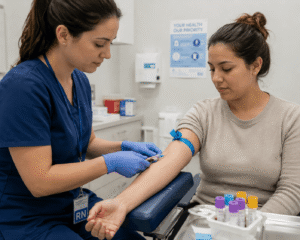
- Blood tests where needed, to check hormone levels
- Discussion of a personalised diagnostic or treatment plan
- Involvement of parents and carers throughout, as part of a family-centred approach
At Friends Medical Service, Paediatric Endocrinology appointments are consultant-led, supported by access to laboratory and imaging services, in a setting designed to put children and families at ease.
Frequently Asked Questions
What does a paediatric endocrinologist do?
A paediatric endocrinologist diagnoses and manages hormonal and metabolic conditions in children and teenagers, including growth disorders, diabetes, thyroid conditions, puberty issues and adrenal, pituitary and bone conditions.
At what age should a child see a paediatric endocrinologist?
There’s no fixed age as referrals can happen from infancy through to late adolescence, whenever a growth, puberty or hormonal concern is identified.
Do I need a GP referral to see a paediatric endocrinologist?
Many private paediatric endocrinology services, including here at Friends Medical Service, offer GP referral appointments as well as consultant-led referral pathways in related fields, such as our Rheumatology and Weight Management services. Check with your chosen provider about the options available.
Is growth hormone deficiency treatable?
Yes. It is typically managed with a daily growth hormone injection, monitored and adjusted over time by a paediatric endocrinology team.
Can Type 1 diabetes be prevented?
No, Type 1 diabetes is an autoimmune condition and cannot currently be prevented, but with structured child diabetes management, children can lead full, active lives.
Is childhood obesity always linked to a hormonal condition?
Not always. Most childhood weight concerns relate to lifestyle and environmental factors, but a paediatric endocrinologist can rule out or identify any underlying obesity-related endocrine issues, such as insulin resistance or a thyroid disorder.
Trusted Sources for Further Reading
For further patient-friendly information on children’s hormonal health, these organisations are excellent starting points:
- British Society for Paediatric Endocrinology and Diabetes (BSPED), patient resources on growth, puberty, diabetes and other childhood endocrine conditions
- European Society for Paediatric Endocrinology (ESPE), information and resources on paediatric hormonal health from a European clinical perspective
Book a Paediatric Endocrinology Consultation
If you have concerns about your child’s growth, puberty, weight, energy levels or blood sugar, early specialist input can bring both answers and reassurance. Friends Medical Service offers consultant-led Paediatric Endocrinology clinics with Dr Noina Abid, a Belfast-based Consultant Paediatric Endocrinologist experienced in growth disorders, diabetes, thyroid, adrenal, pituitary and bone conditions in children.
Get in touch with our team to discuss a referral or book a consultation.