
Diabetes now affects close to six million people across the UK. Current estimates suggest a further 1.3 million people are living with undiagnosed type 2 diabetes without realising it. Left unchecked, consistently high blood sugar can quietly damage the heart, kidneys, eyes, nerves and feet over a period of years, often long before any obvious symptoms appear. The reassuring part of this picture is that diabetes, in the vast majority of cases, responds well to early diagnosis and structured, ongoing management.
This guide explains what diabetes is, the symptoms and risk factors to be aware of, how the condition is diagnosed and the treatment and lifestyle options available today, along with where private testing and GP-led care fit in for anyone in Lurgan, Craigavon, Portadown or the wider Co. Armagh area and anywhere else across Northern Ireland .
What Is Diabetes?
Diabetes is a lifelong condition in which the amount of glucose (sugar) in the blood becomes too high. Glucose is the body’s main source of energy. It relies on a hormone called insulin, produced by the pancreas, to move out of the bloodstream and into cells where it can be used. When insulin production fails or stops working properly, glucose builds up in the blood instead, which over time causes damage throughout the body.
There are several distinct forms of the condition:
- Type 1 diabetes: an autoimmune condition in which the immune system attacks the insulin-producing cells in the pancreas. It usually develops in childhood or early adulthood and requires lifelong insulin treatment.
- Type 2 diabetes: the most common form, accounting for around 90% of diagnoses. The body either does not produce enough insulin or the cells stop responding to it properly (insulin resistance). It develops gradually and is strongly linked to weight, activity levels and family history.
- Prediabetes: blood glucose levels that are higher than normal but not yet high enough for a diabetes diagnosis. Prediabetes is a warning sign and also a stage at which type 2 diabetes can often be prevented.
- Gestational diabetes: a temporary form of diabetes that can develop during pregnancy, usually resolving after birth, though it raises the future risk of type 2 diabetes for both mother and baby.
Common Symptoms of Diabetes
Type 1 diabetes tends to develop quickly, sometimes over a matter of weeks, while type 2 diabetes can build up so gradually that symptoms are missed or dismissed for months or years. The classic symptoms of high blood sugar include:
- Feeling unusually thirsty
- Passing urine more often than normal, especially at night
- Feeling more tired than usual
- Losing weight without trying to
- Blurred vision
- Genital itching or repeated episodes of thrush
- Cuts, grazes or wounds that take longer than expected to heal
- Increased hunger, even shortly after eating
Because type 2 diabetes symptoms can be so mild, many people only find out through a routine blood test rather than because they felt unwell. If you recognise several of these symptoms in yourself or a family member, it is worth arranging a blood glucose test rather than waiting for symptoms to worsen.
What Causes Diabetes? Risk Factors to Know
The causes of type 1 and type 2 diabetes are different. Understanding your own risk factors is a useful first step in either prevention or early diagnosis.
Type 1 diabetes is not linked to diet or lifestyle. It is caused by the immune system mistakenly attacking insulin-producing cells. The exact trigger is not fully understood, though genetics and certain viral infections are thought to play a role.
Type 2 diabetes risk is shaped by a combination of factors, including:
- Being overweight or living with obesity, particularly with excess weight carried around the waist
- A family history of type 2 diabetes
- Being of South Asian, Black African or Black Caribbean ethnicity, which carries a higher risk even at a lower BMI
- Being over the age of 40 (or over 25 for some higher-risk ethnic groups)
- Having high blood pressure or a history of cardiovascular disease
- A history of gestational diabetes or polycystic ovary syndrome (PCOS)
- Low levels of physical activity
- Smoking
Many of these factors overlap with those seen in patients we support through our Weight Management programme, where type 2 diabetes and pre-diabetes are among the most common reasons people come to us for specialist, doctor-led care.

How Is Diabetes Diagnosed?
Diabetes and prediabetes are diagnosed through blood tests rather than symptoms alone, since type 2 diabetes in particular can be present without any obvious signs. The main tests used are:
- HbA1c test: measures your average blood sugar level over the previous two to three months, giving a clearer overall picture than a single reading. An HbA1c of 48 mmol/mol (6.5%) or above generally indicates diabetes, with 42 to 47 mmol/mol (6.0% to 6.4%) indicating prediabetes.
- Fasting blood glucose test: measures blood sugar after a period without food, usually overnight.
- Random blood glucose test: taken at any time, often used when symptoms are already present.
- Oral glucose tolerance test (OGTT): measures how the body processes glucose after a sugary drink, sometimes used to confirm a diagnosis or to test for gestational diabetes.
Diabetes health markers are included as standard in most of our health check packages, from the Tired All The Time panel through to our flagship Comprehensive GP3 check, so many patients discover a diabetes or prediabetes result while investigating an unrelated concern such as fatigue. You can read more about what is covered in our Blood Testing & Health Checks guide.
Getting Tested at Friends Medical Service
If you are concerned about your risk of diabetes, or you are experiencing possible symptoms, the process is straightforward:
- Book a GP appointment, face-to-face or online, from £70. Diabetes reviews and complex or ongoing concerns are typically booked as a 45-minute consultation to allow enough time for a full discussion.
- Discuss your symptoms, family history and any relevant risk factors with your GP.
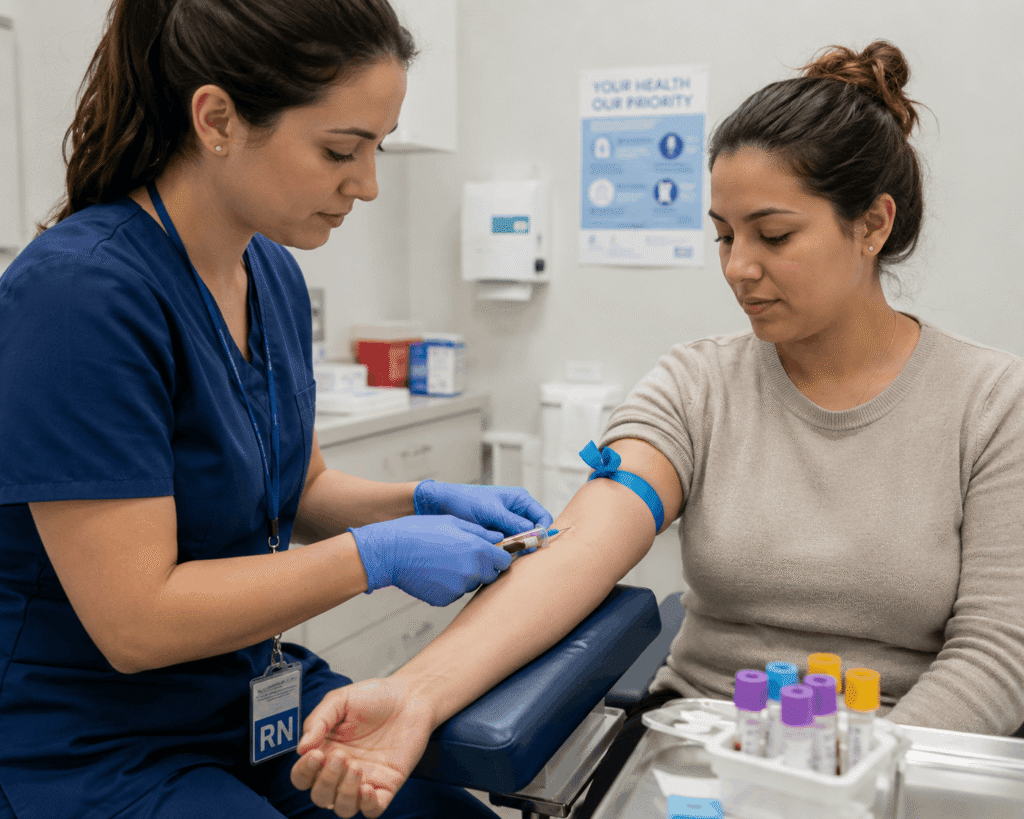
- Have blood taken for HbA1c or fasting glucose testing, alongside kidney, cholesterol and other relevant markers as needed.
- Receive your results and a personalised discussion of next steps, whether that is reassurance, lifestyle advice, referral for further tests or the start of a treatment plan.
- Arrange follow-up monitoring, either through further GP appointments or as part of an ongoing subscription or health check package.
We also operate a walk-in GP service alongside booked appointments, so patients with pressing concerns can be seen at the earliest available slot on the day, subject to the GP’s schedule.
Managing and Treating Diabetes
Diabetes management looks different for everyone, but it generally combines lifestyle change, monitoring and, where appropriate, medication.
Lifestyle and Weight Management
For type 2 diabetes and prediabetes in particular, lifestyle change is often the single most effective intervention available. For many people, it can prevent progression to full diabetes altogether. Helpful steps include:
- Reducing portion sizes and cutting back on refined carbohydrates and sugary drinks
- Building regular physical activity into the week, even in short, manageable sessions
- Losing excess weight gradually and sustainably, rather than through crash diets
- Reducing alcohol intake and stopping smoking
- Prioritising sleep, since poor sleep and untreated sleep apnoea are both linked to insulin resistance
Where weight is a significant factor, our specialist, doctor-led Weight Management programme offers structured, medically supervised support rather than a generic diet plan. Where clinically appropriate, this can include prescription treatments such as Mounjaro (tirzepatide), Wegovy (semaglutide) or Ozempic (semaglutide), the last of which is specifically licensed for the treatment of type 2 diabetes as well as weight management. You can read a fuller comparison of these treatments in our guide to weight loss injections and medication.
Medication for Type 2 Diabetes
Where lifestyle changes alone are not enough to bring blood sugar into a healthy range, medication is usually introduced in a step-by-step way. Common options include:
- Metformin, typically the first medicine offered, which reduces the amount of glucose released by the liver and improves the body’s response to insulin
- SGLT-2 inhibitors, which help the kidneys remove excess glucose through urine and also offer cardiovascular and kidney protection
- GLP-1 receptor agonists, including subcutaneous semaglutide, which slow digestion, reduce appetite and support both blood sugar control and weight loss
- Sulfonylureas or pioglitazone, used in specific circumstances as additional options
- Insulin therapy, required for everyone with type 1 diabetes and for some people with type 2 diabetes whose blood sugar cannot be controlled through other means
Current NICE guidance recommends an individualised HbA1c target for most adults with type 2 diabetes of around 53 mmol/mol (7.0%), agreed between patient and doctor rather than applied as a blanket target, since the right goal depends on age, other health conditions and personal circumstances.
Ongoing Monitoring and Reviews
Diabetes is a long-term condition and regular review is a core part of managing it well. This typically includes periodic HbA1c testing, blood pressure checks, cholesterol monitoring, kidney function tests and a foot and eye health review. Our GP Subscription plans are designed to support this kind of ongoing care, with the Care For Me✚ tier, from £54.99 a month, including a free annual health check with diabetes markers for patients aged 18 and over, alongside 12 GP appointments a year and no phlebotomy charges. You can read more in our guide to private GP subscription plans.
Diabetes and Long-Term Health Risks
Consistently high blood sugar puts extra strain on blood vessels and nerves throughout the body, which is why diabetes is linked to several serious long-term complications if it is poorly controlled:
- Cardiovascular disease: diabetes roughly doubles the risk of heart attack and stroke, making blood pressure, cholesterol and heart health monitoring an important part of ongoing care. Our standalone ECG service offers a simple, GP-led way to check heart rhythm and general cardiac health as part of a wider review.
- Kidney disease (diabetic nephropathy): high blood sugar can damage the small blood vessels in the kidneys over time, which is one of the reasons kidney function is checked as part of our diabetes-related blood testing.
- Eye problems (diabetic retinopathy): diabetes is a leading cause of vision loss in working-age adults in the UK. The NHS invites everyone with diabetes aged 12 and over for annual diabetic eye screening.
- Nerve damage (neuropathy): most commonly affecting the feet, which can lead to numbness, pain or reduced ability to notice injuries.
- Foot problems: reduced circulation and nerve sensation mean that minor cuts or blisters can become serious if unnoticed, making regular foot checks an important habit.
- Sleep apnoea: particularly common alongside type 2 diabetes and excess weight, though often under-diagnosed. If disrupted sleep or loud snoring is a concern, our Sleep Analysis service can help identify whether a sleep study is needed.
Living with a long-term condition like diabetes can also take a toll on mental wellbeing. It is common for patients to experience anxiety around monitoring, diet or long-term risk. Our Counselling service is available for anyone who would benefit from additional emotional support alongside their physical care.
Diabetes and Driving
Anyone treated with insulin, along with some people taking certain other diabetes medications, has a legal duty to inform the DVLA and may be required to undergo a periodic medical assessment to confirm their fitness to drive. If you need a medical report for licensing purposes, our Medical Reports service can help. Our guide to driving medical reports explains what is involved.
Diabetes in Children
Type 1 diabetes is the most common endocrine condition seen in children and young people. Type 2 diabetes, once rare in childhood, is becoming more common alongside rising rates of childhood obesity. Symptoms in children can develop quickly and are sometimes mistaken for a viral illness, so parents are encouraged to seek medical advice promptly if a child shows signs of excessive thirst, frequent urination, tiredness or unexplained weight loss.
Our Paediatric Endocrinology service is led by Consultant Paediatric Endocrinologist Dr Noina Abid, who has been the lead for Paediatric Endocrinology and Diabetes at the Royal Belfast Hospital for Sick Children since 2012 and manages both type 1 and type 2 diabetes in children alongside growth, thyroid, puberty and adrenal disorders. You can find out more in our parent’s guide to paediatric endocrinology.

Preventing Type 2 Diabetes
Unlike type 1 diabetes, type 2 diabetes and prediabetes can often be prevented or delayed, particularly when action is taken early. Steps that make a genuine difference include:
- Maintaining a healthy weight, or working towards gradual, sustainable weight loss if needed
- Staying physically active most days of the week, even through walking or light activity
- Choosing wholegrain carbohydrates over refined and sugary alternatives
- Reducing alcohol intake and stopping smoking
- Having regular blood pressure and cholesterol checks, particularly from your 40s onward
- Knowing your family history and mentioning it to your GP
- Booking a blood test if you notice any early symptoms or fall into a higher-risk group
When to See a GP
You should arrange a GP appointment as soon as possible if you notice symptoms of diabetes, such as increased thirst, frequent urination, unexplained tiredness or unexplained weight loss, or if you know you fall into a higher-risk category and have not been tested recently. Diabetes that develops quickly, particularly in children or young adults, should be treated as urgent. Our GP Appointment service offers same-day and fast appointment availability, both face-to-face and by online video, so you are not left waiting when a concern like this arises.
Frequently Asked Questions
What is the difference between type 1 and type 2 diabetes?
Type 1 diabetes is an autoimmune condition in which the body stops producing insulin altogether. It usually develops in childhood or early adulthood and always requires insulin treatment. Type 2 diabetes develops when the body becomes resistant to insulin or does not produce enough of it. It is strongly linked to weight, age and family history and can often be managed through lifestyle change and, where needed, oral medication before insulin becomes necessary.
Can type 2 diabetes be reversed?
For some people, particularly those diagnosed relatively recently, significant and sustained weight loss can bring blood sugar back into a non-diabetic range, sometimes described as remission. This is not guaranteed for everyone and depends on factors such as how long you have had diabetes and how much weight loss is achievable, but it highlights why early diagnosis and structured weight management matter.
What HbA1c level indicates diabetes?
An HbA1c of 48 mmol/mol (6.5%) or above is generally used to diagnose diabetes, while a level between 42 and 47 mmol/mol (6.0% to 6.4%) indicates prediabetes. Individual treatment targets after diagnosis are agreed between you and your doctor and may vary based on your overall health.
How often should I have my diabetes checked?
Most people with diagnosed diabetes have their HbA1c checked at least once or twice a year, alongside regular blood pressure, cholesterol, kidney function and foot checks. If you are at higher risk but not yet diagnosed, an annual check is a sensible starting point. This is one of the reasons diabetes markers are built into our routine health check packages.
Can I get tested for diabetes without a GP referral?
Yes. You can book a private blood test or GP appointment directly with us for HbA1c or glucose testing, without needing a referral from your NHS GP.
Does losing weight help with diabetes even if I don’t take medication?
Yes. Even modest, sustained weight loss, in the region of 5 to 10% of body weight, has been shown to meaningfully improve blood sugar control and reduce the risk of complications for many people with type 2 diabetes or prediabetes, independent of any medication.
Is gestational diabetes the same as type 2 diabetes?
No, although the two are related. Gestational diabetes develops during pregnancy and usually resolves after birth, but it does increase the future risk of developing type 2 diabetes for both mother and child, which is why follow-up testing after pregnancy is recommended.
Further Reading
If you would like to explore any of these topics in more depth, the following patient-friendly resources are a good starting point:
- NHS: Diabetes
- Diabetes UK: Diabetes Symptoms
- NICE Guideline NG28: Type 2 Diabetes in Adults, Management
Ready to Take Control of Your Diabetes Risk?
Whether you are experiencing possible symptoms, have a family history of diabetes, or simply have not had your blood sugar checked in a while, getting tested is a straightforward first step. Our GPs offer same-day and fast appointment availability, private blood testing with results explained in plain terms and ongoing support through our subscription plans and specialist weight management programme where it is needed.
Get in touch today to book a GP appointment or diabetes health check with us.