Take Control of Your Bone Health Today and Learn How to Protect Your Bones at Every Age
Bones do more than hold us upright. They protect vital organs, store calcium, anchor muscles and allow every step, stretch and lift we take. Because bone loss develops silently over years, many people only discover a problem after a fracture has already happened. Understanding the basics of bone health and knowing when to get tested, can make the difference between catching a problem early and dealing with a broken hip or spine later in life.
This guide covers what affects bone density, how conditions like osteoporosis and osteopenia develop, how a DEXA scan is used to measure bone strength and how rheumatological conditions can put extra strain on your skeleton. If you’d prefer to speak to someone directly, Friends Medical Service offers private bone density testing and rheumatology consultations in Northern Ireland, without the long NHS waiting list.
Why Bone Health Matters
Bone is living tissue. Throughout life, old bone is broken down and new bone is built in a continuous cycle called remodelling. Up until your late twenties or early thirties, bone formation generally outpaces bone loss, which is how you build up what’s known as peak bone mass. After that point, the balance gradually shifts and bone density can begin to decline, particularly if diet, exercise and hormone levels aren’t working in your favour.
Strong bones matter for:
- Mobility and independence as you age,
- Protecting internal organs from injury,
- Supporting muscles and joints during movement,
- Reducing your risk of fracture from a fall or minor knock and
- Storing calcium and other minerals your body needs to function.
When bone density drops too low, bones become porous and fragile. This is the basis of osteoporosis, one of the most common and most under-diagnosed conditions affecting adults over 50.
How Bones Change Throughout Life
Bone density doesn’t decline at a steady rate for everyone. Several life stages carry particular significance for bone health:
- Childhood and adolescence – bones grow rapidly and this is when the foundation for peak bone mass is laid down
- Twenties to early thirties – peak bone mass is typically reached
- Thirties onwards – bone density gradually begins to decline as part of normal ageing
- Menopause – falling oestrogen levels can accelerate bone loss significantly, making postmenopausal women one of the groups most at risk of osteoporosis
- Older adulthood – fracture risk rises, particularly at the hip, spine and wrist
Men are not exempt. Bone density in men declines more gradually, but a significant number of men over 50 will also experience osteoporosis-related fractures, often without realising they were at risk in the first place.
Osteoporosis and Osteopenia: Understanding Bone Loss
Two terms come up repeatedly when discussing bone density: osteopenia and osteoporosis.
- Osteopenia means your bone density is lower than average for your age, but not low enough to be classed as osteoporosis. It’s an early warning sign, not a diagnosis of disease and it’s a useful point to make lifestyle changes before further bone loss occurs.
- Osteoporosis means bone density has dropped significantly, leaving bones weak, brittle and considerably more likely to fracture, even from a minor fall or a simple knock.
Osteoporosis is sometimes called a silent condition because there are usually no obvious symptoms until a bone breaks. This is precisely why proactive testing matters, rather than waiting for pain, height loss or a fracture to prompt a visit to the doctor.
Risk Factors for Poor Bone Health
A combination of genetics, hormones, lifestyle and underlying health conditions all play a role in bone density. Common risk factors include:
- Being a postmenopausal woman,
- Being over the age of 50, particularly with other risk factors present,
- A family history of osteoporosis or hip fracture,
- A previous fracture from a minor fall or injury,
- Long-term use of steroid medication, such as prednisolone,
- Rheumatoid arthritis or another inflammatory condition,
- Low body weight or poor nutritional intake,
- Smoking or regularly drinking alcohol in excess,
- Conditions such as coeliac disease, thyroid disease or early menopause,
- Prolonged inactivity or a sedentary lifestyle, or
- Vitamin D deficiency or low calcium intake over many years.
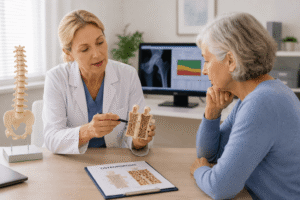
If several of these apply to you, it’s worth discussing bone density testing with your GP or consultant rather than waiting until symptoms appear.
Signs You Might Have a Bone Health Problem
Because early bone loss rarely causes pain, the signs people notice tend to appear later:
- A fracture that occurs after a relatively minor fall or bump,
- Gradual loss of height over time,
- A stooped or curved posture,
- Back pain caused by a fractured or collapsed vertebra, or
- Reduced grip strength or general frailty in older age.
If any of these apply to you, or you simply want to know where you stand, a bone density scan is the most reliable way to find out.
How Bone Health Is Assessed: DEXA Scans Explained
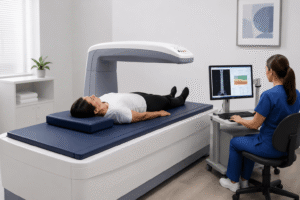
A DEXA scan (also written as a DXA scan, short for Dual-Energy X-ray Absorptiometry) is the gold-standard test for measuring bone mineral density. It uses two very low-dose X-ray beams, typically around ten times lower than a standard chest X-ray, to measure how much mineral content is present in your bones, usually focusing on the hip and lower spine.
The scan itself is quick, painless and non-invasive. Most private DEXA scan appointments take around 10 to 20 minutes and there’s no recovery time needed afterwards. Results are reported using a T-score, which compares your bone density with that of a healthy young adult:
- A normal result means your bone density is within the expected range
- Osteopenia means bone density is somewhat lower than average
- Osteoporosis means bone density is significantly reduced, with a higher fracture risk
You may be advised to have a DEXA scan if you’re a postmenopausal woman, over 50 with risk factors, have had a previous fracture, have a family history of osteoporosis, or have been on long-term steroid medication. Our full DEXA scan guide covers cost, booking, preparation and what to expect from a private DEXA scan in more detail, including how the scan can also be used to assess body composition alongside bone density.
At Friends Medical Service, every scan is interpreted by an experienced consultant radiologist, including Dr Imran Yousuf and Dr Simon Porter, so results are assessed to a high clinical standard before being passed back to your referring clinician.
How Rheumatological Conditions Affect Bone Health
Bone health and joint health are closely linked, which is why rheumatology plays such an important role in managing conditions that put bones at risk. Rheumatoid arthritis, for example, is an autoimmune condition that causes chronic inflammation and this ongoing inflammation is itself associated with accelerated bone loss, independent of any steroid treatment involved.
Steroid medications, often prescribed to manage inflammatory conditions, can also reduce bone density when taken over a long period. This is why anyone on long-term steroids, or living with an inflammatory or autoimmune condition, is generally considered a priority group for bone density monitoring.
Our rheumatology service covers the full assessment and management of conditions that can affect your bones and joints, including:
- Rheumatoid arthritis and psoriatic arthritis
- Osteoarthritis
- Gout and other crystal-induced arthritis
- Connective tissue diseases such as lupus
- Soft tissue disorders including fibromyalgia
Our guide to arthritis, gout and cortisone injections explains these conditions and their treatment options in more depth, including how ultrasound-guided cortisone injections can help manage inflammation in an affected joint. Consultant rheumatologist Dr Roger Stewart sees patients across the full range of rheumatological conditions, with particular interests in gout, inflammatory arthritis and joint injections.
How to Improve and Protect Your Bone Health
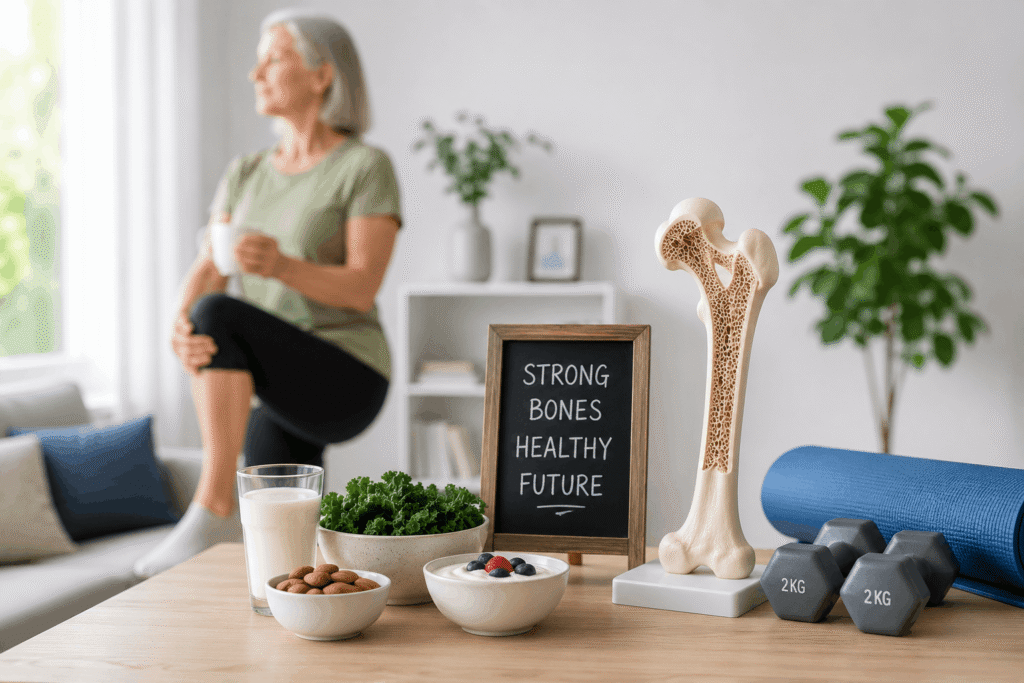
The encouraging news is that bone density responds to lifestyle changes, particularly when action is taken early. A few consistent habits make a meaningful difference over time.
Nutrition for Strong Bones
- Include calcium-rich foods such as dairy products, leafy greens, tofu and tinned fish with bones (like sardines) in your diet.
- Make sure you get enough vitamin D, either through safe sun exposure, oily fish, fortified foods or a supplement, particularly during winter months.
- Limit excessive salt and caffeine intake, both of which can affect calcium absorption.
- Keep alcohol intake within recommended limits.
- Maintain a healthy, stable body weight, as being underweight is a recognised risk factor for low bone density.
Exercise for Bone Density
Weight-bearing and resistance exercise are among the most effective ways to maintain and even improve bone density:
- Walking, jogging or hiking, which place healthy stress on the bones of the legs and hips
- Resistance training with weights or resistance bands
- Balance-focused activities such as yoga or tai chi, which help reduce fall risk
- Stair climbing and other low-impact weight-bearing activities
If you’re recovering from an injury or managing joint pain that’s making exercise difficult, our sports injury and physiotherapy service (delivered in partnership with Pendulum Physiotherapy) can help you build a safe, structured plan to stay active without placing unnecessary strain on affected joints.
Other Lifestyle Factors
- Stop smoking, as it’s directly linked to reduced bone density
- Have regular health checks if you’re on long-term medication that can affect bone strength
- Consider a DEXA scan if you fall into a higher-risk group, so any bone loss is identified early rather than after a fracture
Treatment Options for Weak Bones
If a DEXA scan shows osteopenia or osteoporosis, treatment is tailored to your individual results and risk factors. Options your clinician may discuss include:
- Calcium and vitamin D supplementation,
- Medications that slow bone loss or help build new bone,
- A structured exercise programme designed around your fracture risk,
- Addressing any underlying condition contributing to bone loss, such as thyroid disease or an inflammatory arthritis,
- Reviewing any long-term medications that may be affecting bone density, or
- Regular monitoring with repeat scans to track how your bone density changes over time.
When to See a Doctor About Your Bone Health
You don’t need to wait for a fracture to take bone health seriously. It’s worth speaking to your GP or booking a consultation if you:
- Are postmenopausal or approaching menopause,
- Have a family history of osteoporosis or hip fracture,
- Have broken a bone from a relatively minor fall,
- Have rheumatoid arthritis or another inflammatory condition,
- Have been on long-term steroid medication, or
- Simply want a clear picture of where your bone density stands.
Our blood testing and health checks service can also help identify related issues, such as vitamin D deficiency or thyroid problems, that may be contributing to bone loss. Patients who want ongoing monitoring, including of bone and general health markers, may also want to look at our GP subscription plans.
Frequently Asked Questions
What is the difference between osteopenia and osteoporosis?
Osteopenia means your bone density is lower than average but not low enough to be classed as a disease. Osteoporosis means bone density has dropped significantly, making fractures far more likely.
Does osteoporosis cause pain?
Osteoporosis itself is usually painless until a fracture occurs. This is why it’s often called a silent condition and why testing, rather than waiting for symptoms, is so important.
Can osteoporosis be reversed?
Bone density can often be improved with the right combination of nutrition, exercise, medication and lifestyle changes, particularly if caught early through a DEXA scan. Established osteoporosis can generally be managed and stabilised rather than fully reversed.
What age should I start thinking about bone density testing?
There’s no single age that applies to everyone. Postmenopausal women, adults over 50 with risk factors and anyone with a family history of osteoporosis or a relevant medical condition should discuss testing with their doctor, regardless of age.
Can men get osteoporosis?
Yes. While it’s more commonly associated with postmenopausal women, men can also develop osteoporosis, particularly with risk factors such as long-term steroid use, low body weight or a family history of the condition.
What foods are best for bone health?
Calcium-rich foods such as dairy, leafy greens and tinned fish, alongside vitamin D from oily fish, fortified foods or sensible sun exposure, all support bone strength.
Does rheumatoid arthritis affect bone density?
Yes. Chronic inflammation associated with rheumatoid arthritis is linked to increased bone loss and long-term steroid treatment for inflammatory conditions can further reduce bone density.
How often should I have a DEXA scan?
This depends on your individual risk factors and any previous results. Your clinician will advise on an appropriate interval, particularly if you’re being monitored for osteoporosis or osteopenia.
Is a private DEXA scan worth it?
A private DEXA scan gives you faster access to testing, without the wait associated with NHS referral pathways, along with expert interpretation of your results. For many people concerned about their bone health, that peace of mind is worth a great deal.
Further Reading
For more patient-friendly information on bone health from reputable UK sources, you may find the following helpful:
- NHS: Osteoporosis, an overview of causes, symptoms, diagnosis and treatment,
- Royal Osteoporosis Society: Osteoporosis Information and Support, the UK’s only charity dedicated to bone health and osteoporosis, with detailed guides on exercise, nutrition and living well with the condition.
- Arthritis UK: Information and Support, background on rheumatoid arthritis, osteoarthritis and other joint conditions that can affect bone health.
These resources are intended for general information and do not replace a personal assessment from your GP or consultant.
Take the Next Step for Your Bone Health
Bone health is easy to overlook until something goes wrong, but the tools to assess and protect it are more accessible than many people realise. Whether you’re concerned about a family history of osteoporosis, managing an inflammatory condition, or simply want a clear picture of your bone density, Friends Medical Service can help.
Browse our full range of services, find out more about our private DEXA scans and rheumatology consultations, or meet our consultants to book an appointment. Taking action now could help protect your mobility, independence and quality of life for years to come.