
Mirena IUS vs Copper IUD: Which Contraceptive Coil Is Right for You?
Choosing a long-term contraceptive method is one of the more personal decisions a woman can make and for many, the choice comes down to two options: the Mirena IUS (hormonal coil) and the copper IUD (non-hormonal coil). Both are highly effective, both last for years and both are fitted in a single short appointment, but they work in very different ways and each comes with its own set of advantages and trade-offs.
This guide compares the Mirena coil and the copper coil in detail, covering how each one works, who they suit best and what to expect from fitting to removal, so you can have an informed conversation with your gynaecologist about which is right for you.
What Is a Coil and How Does It Work?
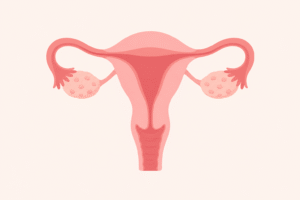
A coil (also called an IUD or IUS) is a small, T-shaped device inserted into the uterus to prevent pregnancy. It’s one of the most effective forms of reversible contraception available, with a failure rate of less than 1%. There are two main types:
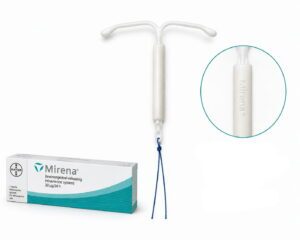
- Mirena IUS (Intrauterine System): releases a small, steady dose of the hormone levonorgestrel directly into the uterus
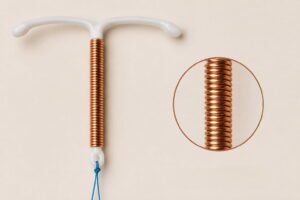
- Copper IUD (Intrauterine Device): contains no hormones at all; instead, copper ions create an environment that’s toxic to sperm
Both are fitted during a private coil fitting appointment and can be removed at any time by a trained clinician. The right choice depends on your medical history, your tolerance for hormones and what you want from your period.
How the Mirena IUS Works
The Mirena coil releases levonorgestrel, a progestogen hormone, in small amounts directly into the womb lining. This has three effects that prevent pregnancy:
- It thickens cervical mucus, making it harder for sperm to reach an egg
- It thins the lining of the womb, making it less likely to support a fertilised egg
- In some women, it also partially suppresses ovulation
A Mirena coil is licensed to last up to 8 years for contraception (this varies depending on the specific product and your age at fitting, so it’s worth confirming with your consultant) and it can also be used to treat heavy menstrual bleeding and as part of hormone replacement therapy (HRT) for endometrial protection.
How the Copper IUD Works
The copper IUD contains no hormones. Instead, the copper coating creates a local inflammatory reaction in the uterus that is toxic to sperm, preventing fertilisation. If fertilisation does occur, it also makes the womb lining inhospitable to implantation.
Because it works through a mechanical and chemical effect rather than hormones, the copper coil:
- Starts working immediately after fitting
- Can be used as emergency contraception if fitted within 5 days of unprotected sex
- Lasts 5 to 10 years, depending on the device used
- Does not affect your natural menstrual cycle or ovulation
Mirena IUS: Advantages and Disadvantages
Advantages of the Mirena Coil
- Lighter, shorter periods: many women find their periods become much lighter over time and some stop having periods altogether
- Effective treatment for heavy menstrual bleeding, sometimes used as an alternative to more invasive procedures
- Long-lasting: up to 8 years of contraception from a single fitting
- Can be combined with HRT for women managing perimenopausal or menopausal symptoms
- Highly effective, with a failure rate similar to sterilisation
- Fertility returns quickly once removed
Disadvantages of the Mirena Coil
- Hormonal side effects in the first few months, including mood changes, breast tenderness, headaches, or acne for some women
- Irregular spotting or bleeding is common in the first 3–6 months
- Not suitable for everyone, including some women with a history of hormone-sensitive conditions
- Insertion can cause cramping and the procedure itself may be uncomfortable
- Small risk of the coil moving out of position (expulsion) or, rarely, perforating the womb wall
Copper IUD: Advantages and Disadvantages
Advantages of the Copper Coil
- Hormone-free, making it a good option for women who can’t or don’t want to use hormonal contraception
- Works immediately and can double as emergency contraception
- Long-lasting, with some devices effective for up to 10 years
- Doesn’t interfere with natural hormone cycles, so ovulation and hormone patterns stay unchanged
- Fertility returns immediately after removal
Disadvantages of the Copper Coil
- Heavier, longer, or more painful periods, particularly in the first few months after fitting
- Increased cramping during menstruation for some women
- Does not offer any benefit for women dealing with heavy periods; in fact, it can make them worse
- Same small risks around insertion as the Mirena, including expulsion or perforation
Mirena vs Copper Coil: Quick Comparison
| Factor | Mirena IUS | Copper IUD |
|---|---|---|
| Hormones | Yes (levonorgestrel) | None |
| Duration | Up to 8 years | 5–10 years |
| Effect on periods | Usually lighter, may stop | Usually heavier |
| Works as emergency contraception | No | Yes (within 5 days) |
| Suitable for heavy period treatment | Yes | No |
| Can be used with HRT | Yes | No |
| Onset of effectiveness | Immediate to 7 days (cycle-dependent) | Immediate |
Who Might Prefer the Mirena Coil?
The Mirena IUS tends to suit women who:
- Experience heavy or painful periods and want relief alongside contraception
- Are approaching perimenopause and want a coil that can double up with HRT
- Are comfortable with a low, localised dose of hormone
- Want the option of very light periods or no periods at all
Who Might Prefer the Copper Coil?
The copper coil tends to suit women who:
- Want to avoid hormonal contraception entirely, for personal, medical, or lifestyle reasons
- Are breastfeeding and want a non-hormonal option
- Need emergency contraception as well as ongoing protection
- Already have regular, manageable periods and don’t want a change to their natural cycle
What to Expect at a Private Coil Fitting
Whichever coil you choose, the fitting process is similar:
- A consultation to discuss your medical history and confirm the right coil for you
- An internal examination to check the position and size of the uterus
- Insertion of the coil through the cervix, which typically takes only a few minutes
- A short recovery period in the clinic before you go home
- A follow-up check, usually a few weeks later, to confirm the coil is correctly positioned
Some cramping or discomfort during and shortly after fitting is normal and over-the-counter pain relief beforehand can help. Both procedures are quick and most women return to normal activities the same day.
Friends Medical Service offers private coil fitting and removal as part of our gynaecology services, carried out by an experienced consultant gynaecologist without the long waiting times often associated with NHS referral.
Meet Your Consultant
Coil fittings at Friends Medical Service are carried out by Dr Edgar Boggs, our consultant gynaecologist, who can talk you through both the Mirena IUS and copper IUD in detail and help you decide which suits your health needs, lifestyle and contraceptive goals.
Frequently Asked Questions
Is a Mirena coil fitting painful?
Most women experience some cramping during and shortly after fitting, similar to period pain. This usually settles within a day or two. Taking a painkiller beforehand and allowing time to rest afterwards can help.
How long does a copper coil last?
Depending on the specific device, a copper coil can provide effective contraception for 5 to 10 years. Your consultant will confirm the exact duration for the device used.
Can the coil be removed early if I change my mind?
Yes. Both the Mirena and copper coil can be removed at any time by a trained clinician and fertility typically returns very quickly afterwards.
Will a coil stop my periods completely?
The Mirena IUS often makes periods significantly lighter and some women stop having periods altogether after several months. The copper coil does not have this effect and can make periods heavier, particularly at first.
Can I use a coil if I’ve never had children?
Yes, both coil types can be fitted in women who haven’t had children, though your consultant will discuss sizing and comfort considerations with you at your appointment.
Does the copper coil affect hormone levels?
No. The copper coil is completely hormone-free and does not interfere with your natural menstrual cycle or hormone production.
Is the coil a good option during perimenopause?
The Mirena IUS is often a popular choice during perimenopause, as it can manage heavy bleeding and be used as the progestogen component of HRT.
How soon after fitting is the coil effective?
The copper coil is effective immediately. The Mirena IUS is effective immediately if fitted within the first 7 days of your cycle; otherwise, additional contraception is recommended for 7 days after fitting.
Further Reading
If you’d like to read more from independent, patient-focused sources before your consultation, the following are reputable places to start:
- NHS: Intrauterine device (IUD) or copper coil
- NHS: Intrauterine system (IUS) or hormonal coil
- NHS: Contraception guide
- Contraception Choices: comparing methods
- Faculty of Sexual and Reproductive Healthcare (FSRH): patient information
These sources are useful for general background reading, but they can’t replace a one-to-one assessment of your own medical history; that’s best done with your consultant.
Booking a Private Coil Fitting
Both the Mirena IUS and copper IUD are safe, long-acting and highly effective forms of contraception. The right choice simply depends on whether you want the hormonal benefits of the Mirena or the hormone-free simplicity of the copper coil. A one-to-one consultation is the best way to weigh up your options against your own medical history and lifestyle.
To discuss coil fitting, removal, or replacement with a consultant gynaecologist, visit our gynaecology services page or book a consultation with Dr Edgar Boggs today.