
PMOS (Formerly Known as PCOS) Explained: Symptoms, Diagnosis and Treatment Options
Irregular periods. Unexplained weight changes. Persistent acne, unwanted hair growth, or trouble conceiving. On their own, each of these is easy to dismiss as just one of those things. Together, they’re among the most common signs of polyendocrine metabolic ovarian syndrome, the condition most people still know as PCOS, thought to affect around one in eight women of reproductive age. Many women live with it for years before anyone gives it a name, usually because the symptoms creep in slowly and each one has an obvious alternative explanation.
At Friends Medical Service, our consultant gynaecology clinic in Northern Ireland offers private assessment and investigation for women who suspect PMOS may be behind their symptoms. This guide covers what the condition is, how it’s diagnosed, and what can be done about it.
The Name Change: PCOS Is Now PMOS
If you’ve been searching for information about PCOS, you may have noticed the terminology shifting. In May 2026, polycystic ovary syndrome was officially renamed polyendocrine metabolic ovarian syndrome, or PMOS. The change was agreed through a global consensus process published in The Lancet, involving more than 50 patient and professional organisations and over 14,000 survey responses worldwide. The NHS updated its own guidance in July 2026.
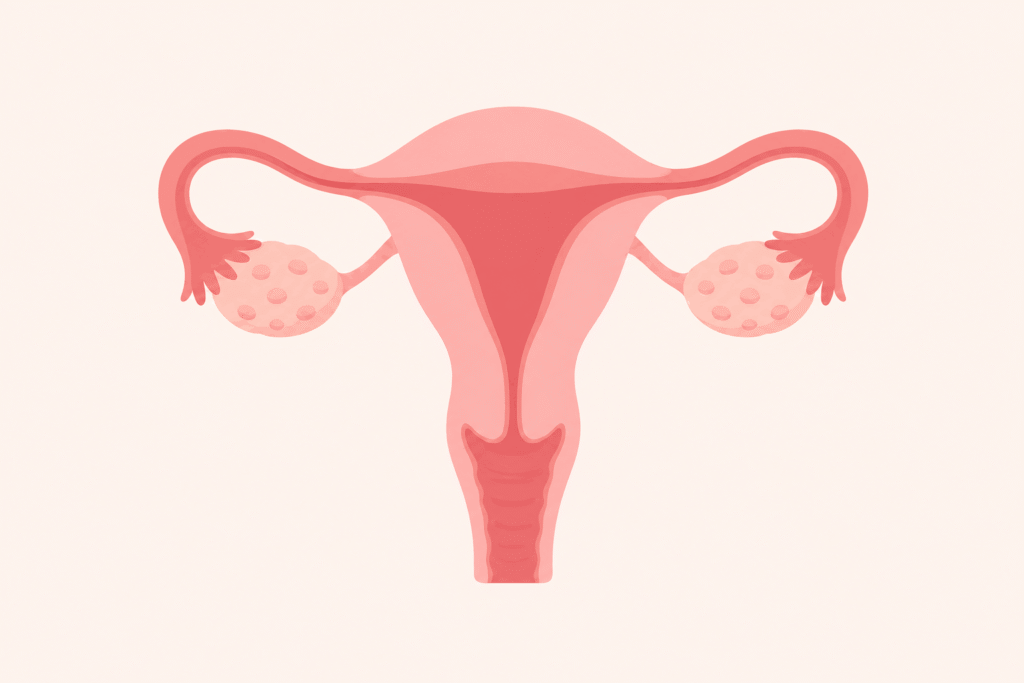
The reason comes down to accuracy. The condition doesn’t actually involve cysts. What shows up on an ultrasound scan is a higher number of small, immature follicles, not the pathological cysts the old name implied. Plenty of women, and a surprising number of health professionals, believed otherwise. Worse, the focus on ovaries hid the hormonal and metabolic sides of the condition, which contributed to delayed diagnosis and to women not being screened for the metabolic risks that come with it.
Three things worth knowing:
- It’s the same condition. Nothing about your diagnosis, your symptoms or your treatment changes because of the new name.
- Adoption will take time. Most people, including many clinicians, may keep saying PCOS for a while.
- The new name reflects the full picture. PMOS puts hormones and metabolism front and centre, which is where the evidence has pointed for years.
We’ve used PMOS throughout this guide, with PCOS noted where it’s helpful. You can read the full consensus paper in The Lancet or the Endocrine Society’s summary for further details
What Is PMOS?
PMOS is a hormonal condition that affects how the ovaries work, alongside wider effects on metabolism, skin, weight and mood.
The underlying issue is an imbalance in reproductive hormones. This usually includes raised levels of androgens, sometimes called male hormones although everyone produces them, which can interfere with ovulation and cause many of the visible symptoms. Insulin resistance also plays a part for a lot of women with PMOS, which is why the condition is tied to weight and metabolic health as well as fertility.
PMOS is a spectrum rather than one fixed condition. Two women with the same diagnosis can have very different symptoms, and very different priorities for treatment.
Common Symptoms of PMOS
Symptoms vary a great deal between individuals, but the most frequently reported are:
- Irregular, infrequent or absent periods, often the first sign people notice
- Difficulty conceiving, linked to irregular or absent ovulation
- Excess hair growth (hirsutism), typically on the face, chest, back or abdomen
- Persistent acne, particularly along the jawline, or oily skin
- Thinning hair or hair loss on the scalp
- Weight gain or difficulty losing weight, often connected to insulin resistance
- Darkened patches of skin (acanthosis nigricans), commonly on the neck, groin or under the arms
- Persistent tiredness
- Mood changes, including low mood or anxiety
Symptoms usually begin around puberty and continue until the menopause, though they can appear later. Not everyone has all of them. You can also have PMOS at a healthy weight, which is misunderstood often enough that it delays diagnosis for some women.

How Is PMOS Diagnosed?
No single test confirms PMOS. Diagnosis works by identifying a pattern, and usually requires two of the following three features, with other conditions ruled out first:
- Irregular or absent ovulation, usually shown by irregular or missing periods
- Signs of raised androgens, either visible symptoms such as excess hair growth and acne, or raised levels found in a blood test
- Polycystic ovaries visible on ultrasound
At Friends Medical Service, this assessment is carried out by our Consultant Gynaecologist, Dr Edgar Boggs, and usually involves:
- A detailed consultation covering your symptoms, menstrual history, family history and any fertility concerns
- Blood tests to measure hormone levels and insulin resistance, and to rule out conditions with overlapping symptoms such as thyroid disorders or raised prolactin
- A pelvic ultrasound scan to assess the appearance of the ovaries, carried out in women over 18
Diagnosis takes this approach because several other conditions produce similar symptoms. Ruling those out properly matters as much as confirming PMOS itself.
Why Diagnosis Often Takes Time
Many women describe a long, frustrating path to a diagnosis, and there are understandable reasons for it. Symptoms build gradually and are easy to normalise. Irregular periods get put down to stress, contraception or lifestyle. Acne and weight changes are treated separately rather than as part of a bigger picture. Hormonal contraception, often prescribed for period problems and acne in the first place, can also mask the irregularity that would otherwise trigger an investigation.
The misleading old name played its part too, which is precisely why it was changed. If your symptoms have been explained away one at a time over several years, it’s reasonable to ask for them to be looked at together.
Treatment and Management Options
PMOS is a long-term condition without a cure, but it’s manageable. Treatment is built around what matters most to you, whether that’s regulating periods, managing visible symptoms, addressing fertility, or protecting long-term health.
Lifestyle approaches
For many women, particularly where insulin resistance is involved, changes to diet and physical activity can improve symptoms and restore more regular cycles. This isn’t about dramatic weight loss. Even modest changes can have an outsized effect on hormone balance. Guidance works best when it’s built around your circumstances rather than pulled off a generic list.
Medical management of periods and symptoms
Depending on your priorities, options may include hormonal treatments to regulate cycles and protect the womb lining, or treatments aimed at specific symptoms such as excess hair growth or acne. Where insulin resistance is significant, medications that improve insulin sensitivity are sometimes considered.
Fertility support
If you’re trying to conceive, treatment focuses on encouraging regular ovulation. Plenty of women with PMOS go on to conceive, with or without medical help, and having the conversation early is more useful than waiting to see what happens. The British Fertility Society has further information for anyone wanting to read around the subject.
Long-term health monitoring
PMOS carries an increased long-term risk of type 2 diabetes, high blood pressure, cardiovascular disease and other metabolic conditions. Keeping an eye on those markers is a sensible part of ongoing management, and something a private GP or gynaecology service can build into your care rather than leaving to chance. This metabolic side of the condition is often the part that gets overlooked, and it’s one of the main reasons behind the shift in name.
Myths vs Facts About PMOS
- Myth: PMOS means you have ovarian cysts that need removing.
- Fact: The follicles seen on a scan aren’t cysts in the conventional sense and don’t require surgical treatment. This misunderstanding was common enough to prompt the change away from the old name.
- Myth: You can only have PMOS if you’re overweight.
- Fact: It affects women across the full range of body weights. Being a healthy weight doesn’t rule it out.
- Myth: PMOS means you can’t have children.
- Fact: It can make conceiving harder, but many women with the condition conceive successfully, often with support to regulate ovulation.
- Myth: Going on the pill cures PMOS.
- Fact: Hormonal contraception manages symptoms well, but it doesn’t treat the underlying condition. Symptoms usually return once it’s stopped.
- Myth: PMOS is purely a fertility issue.
- Fact: It’s a whole-body hormonal and metabolic condition affecting skin, weight, mood and long-term heart and metabolic health.

When Should You Seek an Assessment?
Book a consultation if you’re dealing with irregular or absent periods, have been trying to conceive without success, are struggling with persistent acne or unwanted hair growth, or have had a cluster of symptoms dismissed one by one over the years without anyone joining the dots.
Our consultant gynaecology clinic is led by Dr Edgar Boggs, Consultant Gynaecologist, providing private assessment, investigation and ongoing management for women across Northern Ireland, without the waiting times attached to routine referral pathways.
Frequently Asked Questions
Is PMOS the same thing as PCOS?
Yes. Polyendocrine metabolic ovarian syndrome (PMOS) is the new official name for polycystic ovary syndrome (PCOS), agreed internationally in May 2026. It’s the same condition, and nothing about diagnosis or treatment changes because of the new name.
Why was PCOS renamed?
The old name implied ovarian cysts, which aren’t actually a feature of the condition, and it drew attention away from the hormonal and metabolic effects that matter just as much. The change is intended to reduce confusion and improve how the condition is diagnosed and managed.
Do I need a GP referral to see a gynaecologist privately?
No referral is needed. You can book a private consultant gynaecology appointment with us directly.
What will happen at my first appointment?
Your consultant will take a full history of your symptoms, menstrual cycle and any fertility concerns, examine you if appropriate, and arrange any blood tests or scans needed to reach a clear diagnosis.
Can PMOS be cured?
There’s no cure, but symptoms can be managed well long-term with the right combination of lifestyle measures and medical treatment.
Will I definitely need an ultrasound scan?
Not always. Diagnosis requires two of three criteria, so if your symptoms and blood tests already meet two, a scan may not be necessary. Scans are only carried out in women over 18. Your consultant will advise what’s appropriate for you.
Does PMOS get worse with age?
Symptoms tend to change over time rather than simply worsen. Cycles often become more regular approaching the menopause, though the metabolic side of the condition stays relevant to your long-term health.
I’ve been told my symptoms are normal. Should I still get checked?
If your symptoms are affecting your quality of life or you’re worried about fertility, an assessment is reasonable. A consultation will either identify what’s going on or confirm that nothing further is needed.
Where can I find support?
Verity is the UK charity for people living with PMOS, still widely known by its PCOS branding, and offers information and peer support alongside your medical care.
Booking a Consultation
PMOS is common, manageable, and worth getting to the bottom of rather than living with unanswered questions. If you recognise the symptoms described here, our consultant gynaecology team can carry out a full assessment and talk you through the options that apply to your situation.
Ready to talk it through? Get in touch with Friends Medical Service or find out more about our consultant gynaecology services.