
Weight Loss Injections and Medication Explained: Ozempic, Wegovy and Mounjaro in Northern Ireland
Weight loss injections have moved from a niche diabetes treatment to one of the most discussed topics in modern healthcare, and with that attention has come a great deal of confusion. Patients frequently ask us to explain the difference between Ozempic, Wegovy and Mounjaro, often after encountering conflicting or oversimplified information online. This guide sets out the facts clearly, so you can make an informed decision ahead of any conversation with your GP.
At Friends Medical Service, we treat weight management the same way we treat any other area of health: with a proper conversation, an honest look at what’s suitable for you, and no pressure either way. This guide breaks down what these medications are, how they work, who they’re for, and what to expect if you’re considering one as part of a wider weight management plan.
What Are Weight Loss Injections?
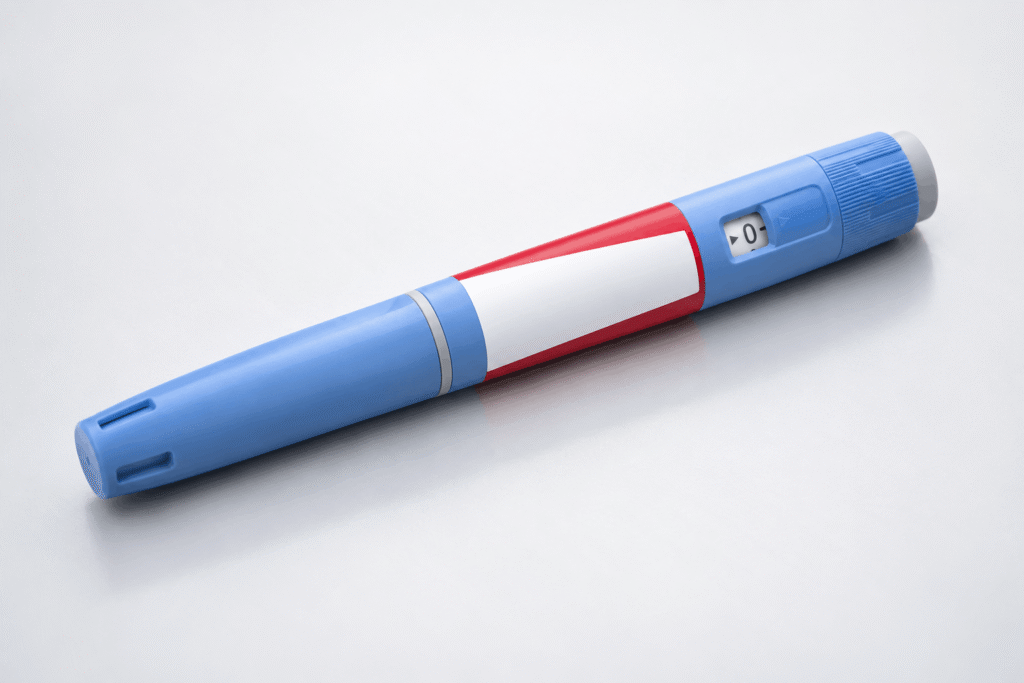
Ozempic, Wegovy and Mounjaro all belong to a class of medicines known as incretin mimetics, more commonly referred to as GLP-1 (and, in Mounjaro’s case, GLP-1/GIP) receptor agonists. They’re given as a once-weekly injection using a pre-filled pen, usually into the abdomen, thigh or upper arm.
Rather than being a “fat burning” medicine in the way people often assume, these medications work by mimicking hormones your gut naturally produces after eating. This has several effects:
- Slowing down how quickly food leaves your stomach, so you feel fuller for longer
- Reducing appetite signals in the brain
- Helping regulate blood sugar and insulin response
The result, for most people, is that portions naturally shrink and the constant background “noise” of hunger and food thoughts becomes much quieter. It’s not a magic switch, but for many people it removes one of the biggest barriers to sticking with healthier habits.
Ozempic, Wegovy and Mounjaro: What’s the Difference?
This is the question we’re asked most often, and it trips a lot of people up because two of the three medications contain the exact same active ingredient.
- Ozempic contains semaglutide and is licensed for managing type 2 diabetes, not for weight loss. It works by activating GLP-1 receptors, which helps lower blood sugar and tends to reduce appetite as a secondary effect.
- Wegovy also contains semaglutide, at a higher dose, and is the version specifically licensed for weight management in adults who meet certain criteria. It works via the same GLP-1 mechanism as Ozempic. Wegovy also comes in tablet form, which may be a preferrable option for those who can not or would rather not take injections.
- Mounjaro contains a different active ingredient, tirzepatide, which activates both GLP-1 and GIP (glucose-dependent insulinotropic polypeptide) receptors. This dual action is why Mounjaro has shown, on average, greater weight loss results in clinical trials compared to semaglutide-based medications, though individual response varies considerably.
Because Ozempic is licensed for diabetes rather than weight loss, it isn’t the appropriate choice if weight management is your only goal, even though it’s often the name people search for first. If your primary aim is weight loss, Wegovy or Mounjaro are the medications licensed for that purpose in the UK.

Who Are These Medications Suitable For?
These are prescription-only medications, and they aren’t intended for anyone who simply wants to lose a few pounds before an event. In general, they’re considered for adults who have:
- A BMI of 30 or above, or
- A BMI of 27 or above alongside a weight-related health condition such as type 2 diabetes, high blood pressure or high cholesterol
Suitability also depends on your medical history. These medications aren’t appropriate for everyone, and a proper consultation should always screen for things like a personal or family history of certain thyroid conditions, pancreatitis, pregnancy or plans to become pregnant, and other medications you’re currently taking. This is exactly why we don’t believe in handing out a prescription based on a form alone; a face-to-face conversation with a GP matters.
What to Expect When Starting Treatment
Treatment typically begins at a low dose, which is gradually increased over several weeks under medical guidance. This slow approach isn’t red tape for the sake of it; it’s the main way side effects are kept manageable while your body adjusts.
A typical starting journey involves:
- An initial consultation covering your health history, current medications, and weight-related goals
- Baseline checks where appropriate
- A low starting dose, with dose increases only once you’ve tolerated the current level
- Regular follow-up to monitor progress, side effects and overall suitability to continue
This isn’t a “collect your pen and go” process. Ongoing monitoring matters, both to catch any side effects early and to make sure the medication is actually working as part of a broader plan that includes diet and activity, not instead of one.
Common Side Effects
Most side effects associated with GLP-1 and GLP-1/GIP medications relate to the digestive system, particularly during the early weeks or after a dose increase. These commonly include:
- Nausea
- Diarrhoea or constipation
- Bloating
- Reduced appetite
- Fatigue
These effects are usually most noticeable when starting treatment or stepping up a dose and tend to settle as the body adjusts. Less commonly, more serious side effects can occur, which is exactly why ongoing GP oversight throughout treatment matters rather than a one-off prescription with no follow-up.
Weight Loss Medications Are Not a Standalone Fix
It’s worth being upfront about something the marketing around these medications often glosses over: they work best as part of a wider approach, not as a replacement for one. Appetite reduction creates an opportunity to build sustainable habits around food and movement, but the underlying behaviour change still matters, particularly for maintaining results once treatment ends.
Muscle loss alongside fat loss is also a genuine consideration with rapid weight loss, which is why maintaining adequate protein intake and some form of resistance activity is generally recommended alongside treatment, ideally discussed as part of your consultation rather than left to guesswork.
Myths vs Facts About Weight Loss Injections/Medications
Misinformation spreads fast on social media, so it’s worth separating what’s true from what isn’t.
- Myth: Ozempic and Wegovy are the same product, so it doesn’t matter which one you ask for.
- Fact: They share an active ingredient but are licensed for different purposes, at different doses, with different intended uses.
- Myth: These treatments work without any changes to diet or lifestyle.
- Fact: They reduce appetite and support portion control, but sustainable results still depend on nutrition and activity alongside treatment.
- Myth: Once you stop taking it, the weight stays off automatically.
- Fact: Appetite and hunger signals typically return once treatment stops, so a plan for maintaining habits afterwards is an important part of the conversation from the start.
- Myth: These medications are only for people who are significantly overweight.
- Fact: Eligibility depends on BMI and associated health conditions and is assessed individually rather than by appearance alone.
- Myth: Because they’re widely available privately, no real medical assessment is needed.
- Fact: A thorough consultation, including medical history and ongoing monitoring, is essential to prescribing these medications safely.
Why See a GP Rather Than Order Online
The rise in popularity of these medications has, unfortunately, come with a rise in unregulated and counterfeit products being sold online with little to no clinical oversight. Beyond the obvious safety risk of an unverified product, prescribing without a proper consultation misses the point entirely: dose titration, monitoring for side effects, and screening for conditions that make the medication unsuitable all require a qualified clinician who knows your history.
At Friends Medical Service, weight management consultations are carried out by our GPs, including Dr Scott Thompson, who can talk you through whether Wegovy, Mounjaro, or another approach is the right fit for your circumstances, alongside ongoing monitoring for as long as you continue treatment.

Frequently Asked Questions
Can I get Ozempic for just weight loss?
Ozempic is licensed for managing type 2 diabetes rather than weight loss specifically. If weight management is your goal, Wegovy or Mounjaro are the medications licensed for that purpose, and your GP can advise which is most appropriate.
Is Mounjaro better than Wegovy?
Clinical trial data has generally shown greater average weight loss with tirzepatide (Mounjaro) compared to semaglutide (Wegovy) according to the British Heart Foundation (2025), but “better” depends on individual tolerance, health history and how you respond. This is a conversation best had directly with your prescriber rather than decided from online comparisons alone.
How much weight can I expect to lose?
Results vary significantly between individuals and depend on dose, duration of treatment, and lifestyle factors alongside the medication. Your GP can talk through realistic expectations based on your circumstances during a consultation.
Are these injections safe?
For appropriately assessed patients, prescribed and monitored by a qualified clinician, these medications have a well-established safety profile from clinical use. As with any prescription medication, suitability depends on individual health history, which is why a proper consultation matters before starting.
Do I need a referral to start treatment?
No referral from your own GP is required. You can book a consultation directly with our team to discuss whether treatment is appropriate for you.
What happens if I stop treatment?
Appetite and hunger levels typically return towards their previous state once treatment stops, which is why ongoing follow-up and a plan for maintaining lifestyle changes are discussed as part of your care with us.
Booking Your Consultation
Weight loss injections aren’t a quick fix, and they’re not right for everyone, but for the right person, under proper medical supervision, they can be a useful tool. If you’d like to find out whether Wegovy, Mounjaro, or another approach might suit your circumstances, book a private consultation with our team.
Ready to talk it through? Get in touch with Friends Medical Service to book a consultation or find out more about our GP appointment services.