Around one in three adults in the UK has high blood pressure, and as many as five million of them do not know it, because in most cases the condition produces no symptoms at all. Left unmanaged for years, hypertension puts a steady, largely invisible strain on the heart, brain, kidneys and eyes, quietly raising the risk of heart attack, stroke and kidney disease long before anyone feels unwell. The reassuring part of this picture is that high blood pressure is one of the most modifiable risk factors in medicine, and it responds well to early detection, lifestyle change and, where needed, medication.
This guide explains what a blood pressure reading actually measures, the symptoms and causes to be aware of, how hypertension is diagnosed and the lifestyle and treatment options available today, along with where private testing and GP-led care fit in for anyone in Lurgan, Craigavon, Portadown or the wider Co. Armagh area and elsewhere across Northern Ireland.
What Is Blood Pressure, and What Is Hypertension?
Blood pressure is a measure of the force your blood exerts against the walls of your arteries as your heart pumps it around your body. It is recorded as two numbers, written one above the other:
- Systolic pressure (the top number): the pressure in your arteries when your heart beats and pushes blood out
- Diastolic pressure (the bottom number): the pressure in your arteries when your heart rests between beats
Both numbers are measured in millimetres of mercury (mmHg), which is why a reading is written as something like 120/80 mmHg. Hypertension, or high blood pressure, simply means this pressure is consistently higher than it should be. According to NHS and NICE guidance, you are generally considered to have high blood pressure if your reading is 140/90 mmHg or higher when checked by a healthcare professional, or 135/85 mmHg or higher when checked at home.
A single high reading is not enough to confirm a diagnosis. Blood pressure naturally fluctuates throughout the day depending on activity, stress and even the time of your appointment, so a diagnosis is usually based on several readings taken over time.
Blood Pressure Categories: What Do the Numbers Mean?
A single reading covers a wide spectrum, from low blood pressure through to a hypertensive emergency. The ranges below combine the UK’s two main reference points: Blood Pressure UK’s patient chart, which covers the low, normal and borderline bands, and the NICE NG136 guideline, which defines the clinical stages of hypertension used by GPs to decide how urgently treatment is needed.
| Category | Systolic (mmHg) | Diastolic (mmHg) | What it means |
|---|---|---|---|
| Low blood pressure (hypotension) | Below 90 | Below 60 | Usually only needs attention if it comes with symptoms such as dizziness, fainting or blurred vision |
| Ideal / normal | 90–119 | 60–79 | A healthy range for most adults, with no action needed beyond routine checks |
| Elevated (high-normal) | 120–139 | 80–89 | Not yet classed as hypertension, but lifestyle changes are recommended and more frequent checks are sensible |
| Stage 1 hypertension | 140–159 | 90–99 | Diagnosis confirmed with home or 24-hour monitoring; treatment usually starts with lifestyle changes |
| Stage 2 hypertension | 160–179 | 100–119 | Usually treated with medication alongside lifestyle changes |
| Severe hypertension (hypertensive crisis) | 180 or above | 120 or above | Needs same-day medical assessment |
Only one of your two numbers needs to fall into a higher band for that band to apply. A reading of 145/75, for example, is still classed as Stage 1 hypertension, even though the diastolic number sits in the normal range, because the systolic number does not.
It is also worth knowing that home and 24-hour ambulatory readings tend to run slightly lower than readings taken in a clinic, by around 5mmHg. This is one of the reasons a GP will usually confirm a diagnosis with monitoring outside the clinic rather than a single in-appointment reading, covered in more detail below. If your reading falls into the severe category, particularly alongside symptoms such as chest pain, sudden vision changes or breathlessness, this needs same-day medical assessment. Readings this high are treated as a medical emergency rather than something to monitor at home.
Symptoms of High Blood Pressure
High blood pressure is often called the “silent killer” for good reason: it rarely causes any symptoms, and many people only discover it during a routine check for something unrelated. This is one of the main reasons regular blood pressure checks matter, particularly from your 40s onward.
Rarely, very high readings can cause:
- Headaches,
- Blurred vision,
- Chest pain,
- Nosebleeds and/or
- Dizziness or a flushed face.
These symptoms are common in the general population too, so they should never be relied on as a way of ruling high blood pressure in or out. The only reliable way to know your blood pressure is to have it measured.
When to Seek Urgent Help
Call 999 immediately if you have sudden chest pain or discomfort that does not go away, pain spreading to your arm, neck, jaw or back, or chest pain alongside sweating, nausea, light-headedness or shortness of breath. These can be signs of a heart attack. If you often get headaches or blurred vision, or you have chest pain that comes and goes, contact NHS 111 or your GP for urgent advice.
What Causes High Blood Pressure?
Doctors generally divide hypertension into two types.
Primary (essential) hypertension accounts for around 90% of cases and has no single identifiable cause. It tends to develop gradually over years as a result of several overlapping factors, including:
- Age, since blood vessels naturally stiffen over time,
- A family history of high blood pressure,
- Being overweight or living with obesity,
- A diet high in salt and low in fruit and vegetables,
- Low levels of physical activity,
- Drinking more alcohol than recommended,
- Smoking,
- Long-term stress and/or
- Ethnicity, with people of Black African, Black Caribbean or South Asian background at higher risk.
Secondary hypertension is caused by an underlying medical condition or medication and tends to appear more suddenly or affect younger people. Common causes include:
- Chronic kidney disease,
- Hormonal conditions such as an overactive thyroid or Cushing’s syndrome,
- Diabetes-related kidney damage,
- Certain medications, including some contraceptives, decongestants and anti-inflammatory painkillers and/or
- Sleep apnoea.
Because weight, diet and inactivity are such significant contributors to primary hypertension, high blood pressure is one of the conditions we see most often in patients who come to our specialist, doctor-led Weight Management programme, alongside type 2 diabetes and PCOS.
Who Is Most at Risk?
While anyone can develop high blood pressure, certain groups are at greater risk:
- Adults over 40, with more than half of people over 65 affected,
- Men, who are more likely than women to have high blood pressure up to around age 65,
- People with a close relative who has hypertension,
- People of Black African, Black Caribbean or South Asian ethnic background,
- People who are overweight or carry excess weight around the waist,
- People with type 2 diabetes or chronic kidney disease and
- People going through the menopause, since falling oestrogen levels can raise blood pressure in some women, as covered in our guide to menopause symptoms, stages and treatment.
How Is High Blood Pressure Diagnosed?
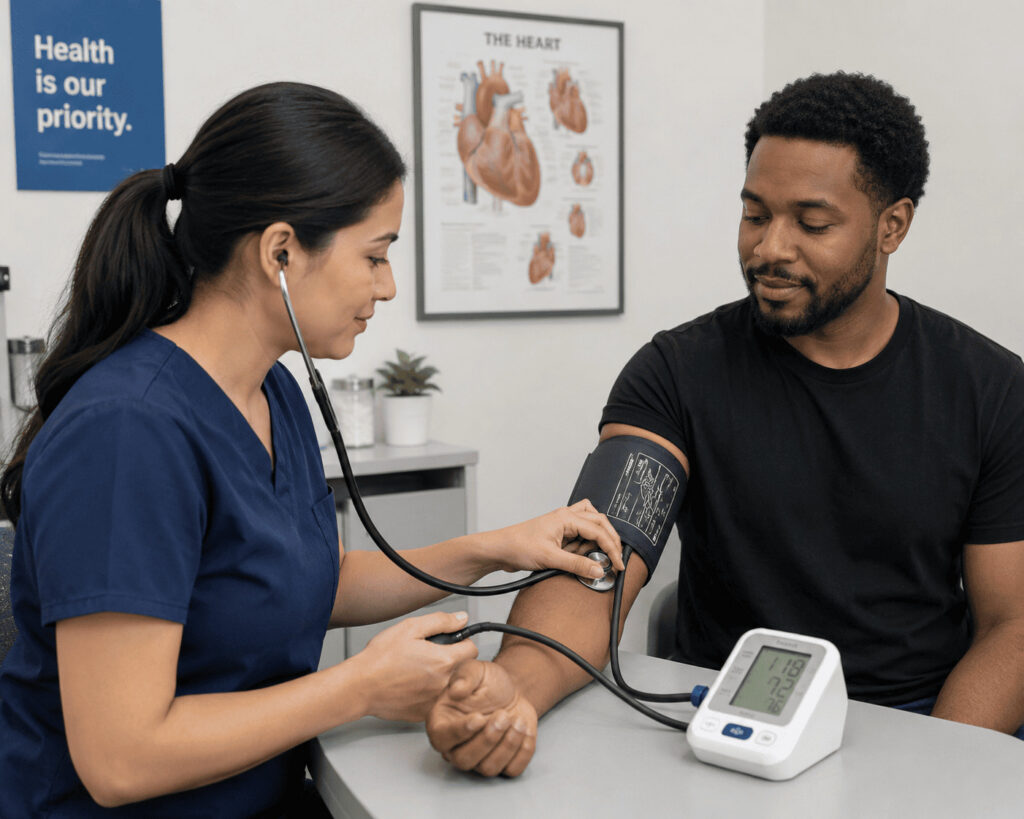
A blood pressure test is quick, painless and involves a cuff being inflated around your upper arm to measure the pressure in your blood vessels. If your reading in clinic is 140/90 mmHg or higher, your doctor will usually take a second measurement during the same appointment and may ask you to:
- Use a home blood pressure monitor to check your readings over the following days,
- Return for a repeat check a few days or weeks later and/or
- Wear a portable monitor that records your blood pressure automatically over 24 hours, known as ambulatory blood pressure monitoring (ABPM).
This step matters because some people have what is known as white coat hypertension, where blood pressure rises simply due to the stress of a clinical setting, while readings at home stay normal. The opposite pattern, called masked hypertension, is where clinic readings look normal but home or ambulatory readings are raised. Confirming a diagnosis with readings taken outside the clinic, rather than relying on a single appointment, helps avoid both over-treatment and missed diagnoses.
Getting Your Blood Pressure Checked at Friends Medical Service
If you want your blood pressure checked, whether because you are in a higher-risk group, have not had it tested recently or simply want peace of mind, the process is straightforward:
- Book a GP appointment, face-to-face or online, from £70. Blood pressure reviews are typically booked as a 30-minute consultation to allow time for a full discussion.
- Discuss your symptoms, family history and lifestyle with your GP.
- Have your blood pressure measured, alongside other relevant checks such as cholesterol, kidney function and blood glucose where appropriate.
- Receive your reading and a personalised discussion of next steps, whether that is reassurance, lifestyle advice or the start of a treatment plan.
- Arrange follow-up monitoring, either through further GP appointments or as part of an ongoing health check package.
Blood pressure is included as standard in several of our health check packages, from the Essential Health Package through to our dedicated Heart Health Package, which combines a resting ECG with a full cholesterol profile and blood pressure check, reviewed personally by our GP. You can read more about how an ECG works and what it can show in our guide to the electrocardiogram (ECG) test. We also operate a walk-in GP service alongside booked appointments, so patients with pressing concerns can be seen at the earliest available slot on the day, subject to the GP’s schedule.
How to Lower Blood Pressure: Lifestyle Changes That Help
For many people with mildly or moderately raised blood pressure, lifestyle change is the first and most effective step, and can sometimes bring readings back into a healthy range without medication. Helpful changes include:
- Cutting back on salt. Avoid adding salt to meals and be mindful of processed and takeaway food, which is often high in hidden salt.
- Getting regular exercise. Aim for at least 150 minutes of moderate activity a week, such as brisk walking, cycling or swimming.
- Losing weight if you are overweight. Even modest, sustained weight loss can meaningfully lower blood pressure.
- Reducing alcohol intake. Try to stay within the recommended 14 units a week, spread across several days.
- Cutting down on caffeine. High intakes from coffee, tea and cola can raise blood pressure in some people.
- Stopping smoking. Smoking damages blood vessel walls and adds to cardiovascular risk independent of blood pressure.
- Managing stress. Long-term stress is linked to sustained rises in blood pressure, and ongoing emotional strain can also affect sleep, weight and other risk factors. Our Counselling service is available for anyone who would benefit from additional support, and our guide to mental health and primary care explains how your GP can help.
- Prioritising sleep. Poor sleep and untreated sleep apnoea are both linked to higher blood pressure. If loud snoring or disrupted sleep is a concern, our Sleep Analysis service can help identify whether a sleep study is needed, as explained further in our guide to private sleep analysis.
Where weight is a significant factor, our specialist, doctor-led Weight Management programme offers structured, medically supervised support rather than a generic diet plan, and patients commonly see reduced blood pressure alongside better blood sugar control and improved sleep. Where clinically appropriate, this can include prescription treatments such as Mounjaro (tirzepatide), Wegovy (semaglutide) or Ozempic (semaglutide), used as part of a wider treatment plan rather than as a standalone fix.
Medical Treatment for High Blood Pressure
Where lifestyle changes alone are not enough, or your blood pressure is high enough to carry an immediate risk, your GP may recommend medication. A GP will usually prescribe treatment if:
- Your blood pressure is very high (stage 2 or severe hypertension),
- You are at higher overall risk of heart attack or stroke because of other factors such as diabetes, existing heart disease or a raised cholesterol level, or
- Your blood pressure remains high despite making lifestyle changes.
There are several classes of blood pressure medication, and the right choice depends on factors including your age, ethnicity and any other health conditions. Common options include:
- ACE inhibitors, which relax blood vessels by blocking a hormone involved in narrowing them,
- Angiotensin receptor blockers (ARBs), which work in a similar way to ACE inhibitors and are often used where ACE inhibitors are not suitable,
- Calcium channel blockers, which relax and widen blood vessels,
- Diuretics, sometimes called water tablets, which help the kidneys remove excess fluid and salt, or
- Beta-blockers, which slow the heart rate and reduce the force of each heartbeat.
Most blood pressure medicines are taken once a day as a tablet, and many people need more than one type to keep their blood pressure well controlled. Once treatment starts, ongoing monitoring matters just as much as the initial diagnosis. Our GP Subscription plans are designed to support this kind of ongoing care, with 12 GP appointments a year and no phlebotomy charges, so blood pressure and related markers can be reviewed regularly without the hassle of booking each visit separately. You can read more in our guide to private GP subscription plans.

High Blood Pressure and Other Health Conditions
High blood pressure rarely exists in isolation, and it is closely linked to several other conditions we see regularly:
- Type 2 diabetes: high blood pressure and diabetes frequently occur together and each raises the risk posed by the other, which is why blood pressure checks form part of our approach to diabetes management.
- High cholesterol: raised blood pressure and cholesterol both damage artery walls, and are often assessed together, as in our Heart Health Package.
- Kidney disease: the kidneys and blood pressure have a two-way relationship, since high blood pressure can damage the kidneys, and kidney disease can also cause blood pressure to rise.
- Sleep apnoea: repeated drops in oxygen levels during sleep put extra strain on the cardiovascular system and are a recognised cause of secondary hypertension.
- Menopause: hormonal changes during perimenopause and menopause can contribute to a rise in blood pressure, even in women with no previous history of it.
- Pregnancy: blood pressure needs specific, specialist monitoring during pregnancy, since conditions such as pre-eclampsia require dedicated antenatal care rather than routine GP management.
Risks of Untreated High Blood Pressure
Left untreated, high blood pressure puts sustained extra strain on your blood vessels and organs. Over time, this raises your risk of:
- Coronary heart disease,
- Heart attack,
- Stroke,
- Heart failure,
- Chronic kidney disease,
- Vascular dementia and
- Damage to the blood vessels in the eyes.
The good news is that even a modest, sustained reduction in blood pressure meaningfully lowers these risks, which is why early detection and consistent management matter more than reaching a “perfect” number.
Frequently Asked Questions
What is a normal blood pressure reading?
A normal blood pressure reading is generally considered to be below 120/80 mmHg. Readings between this and 140/90 mmHg sit in a borderline range where lifestyle changes are usually recommended, while readings of 140/90 mmHg or higher in clinic are used to diagnose hypertension, subject to confirmation with home or ambulatory monitoring.
What is white coat hypertension?
White coat hypertension describes blood pressure that rises in a clinical setting due to the stress or anxiety of being checked, while readings taken at home or during everyday life remain normal. It is one of the main reasons doctors confirm a hypertension diagnosis with home or 24-hour ambulatory monitoring rather than relying on a single clinic reading.
Can high blood pressure be cured?
Primary hypertension cannot usually be cured outright, but it can be very effectively controlled through lifestyle changes, medication or a combination of both. Secondary hypertension, caused by an underlying condition such as kidney disease or a hormonal disorder, can sometimes improve or resolve if the underlying cause is successfully treated.
How quickly can lifestyle changes lower blood pressure?
Some changes, particularly cutting salt intake and increasing physical activity, can begin to lower blood pressure within a few weeks. More significant, sustained improvements, especially those linked to weight loss, tend to build over several months. Your GP can advise on realistic timeframes based on your starting reading and overall health.
Can I get my blood pressure checked without a GP referral?
Yes. You can book a private GP appointment or health check with us directly for a blood pressure check, without needing a referral from your NHS GP.
Is high blood pressure hereditary?
Genetics play a meaningful role, and having a close relative with high blood pressure does increase your own risk. However, lifestyle factors such as weight, diet, activity levels and alcohol intake also have a significant effect, which means family history is a reason for closer monitoring rather than something that makes high blood pressure inevitable.
Does stress cause high blood pressure?
Short-term stress causes a temporary rise in blood pressure, but this usually returns to normal once the stressful situation passes. Long-term, chronic stress is more strongly linked to sustained increases in blood pressure over time, partly through its direct effects and partly through associated habits such as poor sleep, comfort eating or increased alcohol intake.
Further Reading
If you would like to explore any of these topics in more depth, the following patient-friendly resources are a good starting point:
- NHS: High Blood Pressure
- British Heart Foundation: High Blood Pressure
- NICE Guideline NG136: Hypertension in Adults, Diagnosis and Management
- Blood Pressure UK
Ready to Get Your Blood Pressure Checked?
High blood pressure rarely announces itself, which is exactly why regular checks matter, particularly if you are over 40, carry extra risk factors or simply cannot remember your last reading. Our GPs offer same-day and fast appointment availability, private blood pressure and heart health checks with results explained in plain terms, and ongoing support through our subscription plans and specialist weight management programme where it would help.
Get in touch today to book a GP appointment or heart health check with us.