

PVC Pessary Ring Guide: Uses, Benefits and What to Expect at Fitting
Pelvic organ prolapse affects a significant proportion of women at some point in their lives, particularly after childbirth or the menopause. For many, the first and most effective treatment isn’t surgery at all. It’s a small, flexible device called a pessary and the PVC pessary ring is one of the most widely used designs in gynaecology today.
This guide explains what a PVC pessary ring is, how it works, who it’s suitable for and what to expect from a fitting, so you can approach the conversation with your gynaecologist feeling informed.
What Is a PVC Pessary Ring?
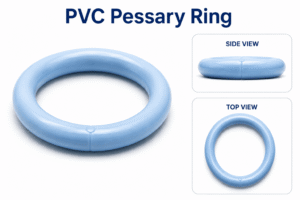
A PVC pessary ring is a soft, flexible, doughnut-shaped device made from medical-grade polyvinyl chloride (PVC). It’s inserted into the vagina to support the pelvic organs, most commonly the uterus, bladder, or bowel, when they have started to descend or bulge due to weakened pelvic floor tissue. This condition is known as pelvic organ prolapse (POP).
The ring works by sitting high in the vagina and holding the vaginal walls and the organs they support, in a more normal position. It’s a mechanical support device rather than a medication or surgical implant and it can typically be fitted and removed during a routine outpatient appointment.
Key features of a PVC ring pessary
-
Latex-free:
- PVC pessaries are a suitable option for patients with a latex allergy.
-
Flexible construction:
- A wall thickness of around 12.5mm makes the PVC ring more pliable than its rigid polythene counterpart, which some patients find more comfortable.
-
Range of sizes:
- PVC ring pessaries are typically available in sizes from 50mm to 110mm in outer diameter, allowing a gynaecologist to match the device to individual anatomy.
-
Single-patient, non-sterile device:
- Once fitted, a ring is intended for use by one patient and is replaced periodically rather than sterilised and reused.
-
Removable:
- Unlike some other pessary types, a ring pessary can often be removed by the patient herself once she’s been shown how, or left in place and managed by a clinician.
What Does a PVC Pessary Ring Do?
The primary job of a pessary is to provide structural support to pelvic organs that have lost some of their natural positioning, without the need for surgery. Depending on the type and severity of prolapse, a ring pessary can help with:
-
Uterine prolapse:
- Supports a uterus that has begun to descend into the vaginal canal.
-
Bladder prolapse (cystocele):
- Holds the front vaginal wall in place to reduce bulging of the bladder.
-
Rectal prolapse (rectocele):
- Supports the back vaginal wall where the rectum has begun to bulge.
-
Stress urinary incontinence
- Some ring pessaries, particularly those with a knob attachment, apply gentle pressure to the urethra to reduce leakage during coughing, sneezing, or exercise.
Because it’s stand-alone and requires no connection to any other device or medication, a ring pessary is often the first option a gynaecologist will discuss for mild to moderate prolapse, particularly stage 1 and stage 2 cases.
Who Are PVC Pessary Rings For?
Ring pessaries are suitable for a broad range of patients, but they tend to be recommended most often for those who:
- Have been diagnosed with mild to moderate pelvic organ prolapse,
- Wish to avoid or delay surgery,
- Are not yet finished having children and want a non-surgical option in the meantime,
- Are not fit for surgery due to age, other health conditions, or personal choice,
- Experience stress urinary incontinence alongside prolapse symptoms,
- Want to remain sexually active, since many ring pessaries can stay in place during intercourse or be removed beforehand, or
- Have a low or shallow pubic notch, though in these cases a Shaatz pessary (a similar but stemless design) may be considered instead.
A pessary isn’t the right fit for every patient or every stage of prolapse. More advanced (stage 3 or 4) prolapse may respond better to a space-filling pessary, such as a Gellhorn or cube design, or to surgical repair. This is why a proper assessment with a gynaecologist matters before any device is chosen.
What Is Involved in Fitting a PVC Pessary Ring?
Fitting a pessary is a straightforward outpatient procedure that doesn’t usually require any anaesthetic. Here’s what patients can typically expect.
1. Initial consultation and assessment
Your gynaecologist will take a history of your symptoms and carry out a vaginal examination, often using a speculum, to assess the type and severity of your prolapse. This assessment helps determine whether a ring pessary is appropriate and, if so, roughly what size range to trial.
2. Sizing and trial fitting
There’s no way to know the exact right size for a patient without trying a device in place. Your gynaecologist will insert a trial pessary and check that it:
- Sits comfortably high in the vagina,
- Provides adequate support without being felt by the patient,
- Doesn’t fall out when you cough, bear down, or stand and move around and
- Isn’t so large that it causes pressure or discomfort.
It’s common to try more than one size during a single appointment to find the best fit.
3. Walking and movement check
Once a size seems right, you’ll usually be asked to walk around and sometimes to use the toilet, before leaving the clinic. This confirms the pessary stays in place during normal activity and that you can pass urine comfortably with it fitted.
4. Guidance on care and follow-up
Before you leave, your gynaecologist will explain:
- How often the pessary needs to be checked or changed (commonly every few months and no longer than six months for a PVC ring),
- Whether you’ll be shown to remove and reinsert it yourself for cleaning, or whether it will be managed at clinic visits, and
- What symptoms would mean you should come back sooner, such as unusual discharge, discomfort, bleeding, or difficulty passing urine.
5. Ongoing management
After the first fitting, most patients are reviewed within a few days to a couple of weeks to check the pessary is still well positioned and comfortable. After that, review intervals are typically extended to every few weeks and then every two to three months, depending on symptoms and the type of pessary used.

Living With a PVC Pessary Ring
Many patients find that once they’ve adjusted to having a pessary fitted, it fades into the background of daily life. A few practical points are worth knowing:
-
Sexual activity
- Depending on the pessary type, it can often stay in place during intercourse, though some patients prefer to remove it beforehand if they’ve been taught self-management.
-
Vaginal discharge:
- A small increase in discharge is common with any pessary and isn’t usually a cause for concern, though your clinician can advise if it changes in colour, smell, or amount.
-
Cleaning schedule:
- This depends on the amount of discharge you have and whether you’re managing the pessary yourself or having it changed at clinic visits.
-
Replacement:
- A PVC ring pessary should generally be replaced within six months, though your gynaecologist will confirm the right interval for you.
Frequently Asked Questions
Is fitting a PVC pessary ring painful?
Most patients find the fitting process uncomfortable rather than painful, similar to having a smear test. The vaginal tissue has no significant sensation to pressure in the way skin does, so the process is generally well tolerated without anaesthetic.
How long does a PVC pessary ring last?
The device itself is typically replaced within six months, though this can vary based on clinical judgement and how the pessary is being managed. Regular follow-up appointments allow your gynaecologist to check the pessary’s condition and fit over time.
What’s the difference between a PVC and a silicone pessary?
PVC ring pessaries are flexible with a thicker wall (around 12.5mm), while silicone and polythene alternatives tend to be more rigid with a thinner wall. The right material often comes down to comfort, any allergies and the specific type of prolapse being treated, which your gynaecologist can advise on.
Can I still have children with a pessary fitted?
A ring pessary is often used specifically because it’s a non-surgical, temporary option, making it suitable for women who haven’t finished their family and want to manage prolapse symptoms in the meantime.
Will I be able to feel the pessary once it’s fitted?
When correctly sized and positioned, a ring pessary shouldn’t be noticeable during everyday activity. If you can feel it, or it causes discomfort, this usually means the size or fit needs adjusting, which your gynaecologist can review.
Can a pessary fall out?
It’s possible, particularly if the size isn’t quite right or with very advanced prolapse. This is exactly why your gynaecologist checks how the pessary sits during coughing, bearing down and walking before you leave your fitting appointment.
Further Reading
If you’d like to explore pelvic organ prolapse and pessary care in more depth, the following sources offer reliable, patient-friendly information:
- NHS – Pelvic Organ Prolapse – A clear overview of prolapse symptoms, causes, and the range of treatment options available, including pessaries.
- RCOG – Pelvic Organ Prolapse – Patient information from the Royal College of Obstetricians and Gynaecologists covering how prolapse is assessed and managed, including who tends to be suitable for a pessary.
- NICE Guideline NG123 – The UK clinical guideline on the management of urinary incontinence and pelvic organ prolapse, for anyone who’d like to read the source guidance behind current pessary care.
- POGP – Pelvic, Obstetric and Gynaecological Physiotherapy – Publishes detailed self-management guidance for pessary users, including fitting, cleaning, and removal.
Getting Assessed for a Pessary
If you’re experiencing symptoms of pelvic organ prolapse, whether that’s a feeling of heaviness, a visible or felt bulge, or urinary leakage, getting an assessment is the first step toward finding the right treatment. A ring pessary is often a simple, effective and non-surgical way to manage these symptoms, but the right choice depends on an individual examination.
Friends Medical Service offers private gynaecology services in Northern Ireland, including pessary fitting and ongoing prolapse management, with consultant gynaecologist Dr Edgar Boggs.
If you’d like to read more about related women’s health topics, our blog also covers PCOS symptoms and management, choosing between the Mirena IUS and copper coil and an overview of our private gynaecology services in Northern Ireland.