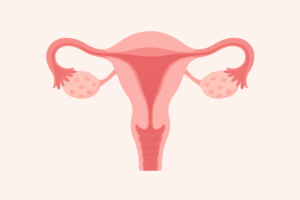

Roughly one in seven couples in the UK experience difficulty conceiving, and for many of them the hardest part is not the waiting itself but not knowing why. Fertility is shaped by dozens of interlinked factors, from ovulation and hormone balance to weight, lifestyle and underlying gynaecological conditions, and in around a quarter of cases no clear cause is ever found. At Friends Medical Service in Lurgan, our private fertility blood test and consultant-led Fertility Clinic give women and men a faster route to understanding what might be happening, without the long wait that often comes with an NHS referral.
This guide explains what fertility means, the most common signs and causes of fertility problems, when to seek help and how our private fertility testing and consultation services work.
What Does Fertility Actually Mean?
Fertility is your natural ability to conceive a child. For most couples, conception happens gradually rather than instantly. Around eight in ten couples where the woman is under 40 will conceive naturally within a year of trying, provided they are having regular unprotected sex every two to three days. Of those who do not conceive in year one, roughly half will go on to conceive during year two.
Fertility problems are generally split into two categories:
- Primary infertility, where someone has never conceived before and is struggling to do so, and
- Secondary infertility, where someone has conceived previously but is now having difficulty conceiving again.
Neither is more or less significant than the other, and both are investigated in broadly the same way.
How Common Are Fertility Problems?
Fertility problems affect around one in seven couples in the UK, which works out at roughly 3.5 million people. It is a common medical issue rather than a rare one, and it can affect either partner or both. Female fertility naturally declines with age, particularly from the mid-thirties onward, while male fertility can also be affected by age, though usually more gradually.
Because of this, guidance is clear that anyone concerned about their fertility, particularly women aged 36 and over, should not wait the full year before seeking advice.
Signs You Might Have a Fertility Problem
For many people, especially men, there are no obvious warning signs before they start trying to conceive. For women, a number of signs can point toward an underlying fertility issue and are worth raising with a doctor:
- Irregular, infrequent or absent periods,
- Very heavy or unusually painful periods,
- Pelvic pain, particularly around your cycle,
- Known or suspected Polycystic Ovary Syndrome (PCOS), now also referred to as PMOS (Polyendocrine Metabolic Ovarian Syndrome). Our dedicated guide to PMOS, formerly known as PCOS, covers the symptoms and diagnosis in more depth,
- A history of pelvic infection, previous pelvic surgery or suspected endometriosis, or
- Recurrent miscarriage.
Because fertility problems in men often produce no outward symptoms at all, sperm quality is usually only picked up through dedicated testing, which is one reason couples are generally investigated together rather than one partner alone.

What Causes Fertility Problems?
Fertility problems can originate with either partner, with both partners or have no identifiable cause at all. Around a quarter of cases fall into this last category, known as unexplained infertility.
Causes in Women
The most common causes of female fertility problems include:
- Ovulation disorders, where an egg is not released regularly or at all,
- Polycystic Ovary Syndrome (PCOS/PMOS), a common hormonal condition that can disrupt ovulation,
- Endometriosis, where tissue similar to the womb lining grows elsewhere in the pelvis and can affect the ovaries, fallopian tubes and surrounding structures,
- Blocked or damaged fallopian tubes, often linked to previous infection or pelvic surgery and/or
- Age-related decline in egg quality and quantity, which accelerates from the mid-thirties onward.
Causes in Men
Male fertility problems most often relate to the quality, movement or number of sperm produced. Contributing factors can include:
- Varicoceles, or enlarged veins within the scrotum,
- Previous infection, injury or surgery affecting the testes,
- Hormonal imbalances,
- Certain medications or medical treatments and/or
- Lifestyle factors such as smoking, alcohol and excess weight.
Shared and Lifestyle Factors
Some factors affect fertility in both partners and are often the most straightforward to address first:
- Weight. Carrying significantly more or less weight than is healthy can disrupt hormone levels and ovulation. Our specialist weight management programme supports patients working toward a healthier weight ahead of trying to conceive.
- Smoking, which is linked to reduced fertility in both men and women. Our complete guide to quitting smoking covers the support available.
- Alcohol and recreational drug use.
- Stress, which can affect hormone balance and libido in both partners.
- Untreated sexually transmitted infections (STIs), some of which can lead to pelvic inflammatory disease and lasting damage to the fallopian tubes if left untreated. Our confidential sexual health service offers STI testing and treatment.
When to Seek Help
Current guidance recommends seeing a doctor if you have not conceived after a year of regular unprotected sex. You should consider seeking advice sooner if:
- You are a woman aged 36 or over,
- You have known or suspected PCOS/PMOS, endometriosis or a previous pelvic infection,
- You have irregular or absent periods,
- You or your partner have had previous fertility investigations or a known fertility diagnosis and/or
- You have a personal or family history of early menopause.
A private GP appointment is a straightforward first step if you would rather talk through your concerns and next steps with a doctor before booking a dedicated fertility test.
Why Choose a Private Fertility Clinic in Northern Ireland?
NHS fertility investigations are available and are often the right route, particularly where assisted conception may be needed. However, waiting times for an initial gynaecology or fertility appointment can run into many months, and that wait can feel especially difficult once you have decided you are ready to start a family. A private fertility clinic offers a faster alternative for the assessment stage.
Choosing private fertility testing and consultation at Friends Medical Service means:
- Self-referral, with no GP referral required for either service
- Appointments that are usually available within days rather than months
- A whole-health approach through our fertility blood panel, alongside focused specialist input from our Consultant Gynaecologist
- One Lurgan clinic covering the full patient journey, from initial blood testing through to specialist consultation and any recommended ultrasound scan
- A private, unhurried appointment where you have time to ask questions
Our complete guide to private gynaecology covers self-referral and NHS waiting times in more detail if you would like wider context before booking.
Private Fertility Blood Testing at Friends Medical Service
Fertility is about more than hormones alone, which is why our private Male/Female Fertility blood panel takes a whole-body approach. Priced at £300, it includes a GP consultation and review alongside testing across 11 key health areas that can influence reproductive health:
- Thyroid Health
- Full Blood Count
- Liver Health
- Heart Health
- Hormonal Health
- Nutritional Health
- Iron Status
- Diabetes Health
- Kidney Health
- Stress
- Infection and Inflammation
This panel is designed to help rule out common, and often overlooked, differential diagnoses associated with difficulty conceiving, giving you and your GP a clearer picture before deciding on next steps. Appointments are led by our private GP team, including Dr Abdel Nasir Nour, and results are reviewed with you rather than simply sent over by email.
The Fertility Clinic: Consultant Gynaecologist Assessment
For women who want a specialist gynaecological opinion, our Private Gynaecology service includes a dedicated Fertility Clinic consultation with our Consultant Gynaecologist, priced at £245. This is a full consultation focused specifically on fertility, during which your consultant will take a detailed history, discuss your cycle and any relevant symptoms and recommend any further tests or scans that would help build a clearer picture. Any tests or scans recommended after your consultation, such as a transvaginal or pelvic ultrasound scan, are charged separately.
You do not need a GP referral to book a consultation with our Consultant Gynaecologist, and the service is based at our Lurgan clinic, which cares for women across Belfast, Craigavon, Portadown, Lisburn, Banbridge and Armagh, as well as cross-border patients from the Republic of Ireland.
Comparing Our Two Fertility Services
| Service | Cost | What It Includes | Best Suited To |
|---|---|---|---|
| Male/Female Fertility Blood Panel | £300 | GP consultation and review, plus testing across 11 health areas | A broad first health check for either partner, before or alongside a specialist opinion |
| Fertility Clinic Consultation | £245 (tests and scans charged separately) | Consultation with our Consultant Gynaecologist | Women wanting a focused gynaecological fertility assessment |
Many patients choose to start with the fertility blood panel to rule out general health factors affecting either partner, then move on to a Fertility Clinic consultation if a more specialist gynaecological assessment is needed. Others prefer to begin directly with the consultant. Either route is reasonable, and our team can help you decide which order makes sense for your situation if you get in touch.
Supporting Your Fertility Alongside Testing
Alongside formal testing, a few lifestyle changes are consistently associated with better fertility outcomes for both partners:
- Reaching and maintaining a healthy weight
- Stopping smoking
- Reducing alcohol intake
- Taking folic acid, for women trying to conceive
- Managing chronic conditions such as diabetes or thyroid disorders
- Addressing sleep and stress where possible
If weight is a barrier, our doctor-led weight management programme and our guide to weight loss medication options explain the structured support available. If smoking is a factor, our complete guide to quitting sets out the options on offer.

Frequently Asked Questions
How do I know if I have a fertility problem?
Fertility problems are usually only confirmed after a year of trying to conceive without success, or sooner if you are 36 or over, or if you have a known risk factor such as PCOS/PMOS, endometriosis or irregular periods. If you are concerned, speaking to a GP or booking a fertility blood test is a reasonable first step, even before the one-year mark.
What does the private fertility blood test include?
Our Male/Female Fertility panel includes a GP consultation and review alongside the same 11 health areas listed above, from thyroid and hormonal health to nutritional status, diabetes, kidney and heart health, plus markers of infection, inflammation and stress. It is designed to rule out common health factors that can affect a person’s ability to conceive.
Do I need a GP referral for fertility testing or a Fertility Clinic consultation?
No. Both our fertility blood panel and our Fertility Clinic consultation with the Consultant Gynaecologist can be booked directly, without a GP referral.
Does Friends Medical Service offer IVF or other assisted conception treatment?
No. Our fertility services focus on assessment, testing and gynaecological consultation. If assisted conception such as intrauterine insemination (IUI) or in vitro fertilisation (IVF) is recommended, your consultant will discuss referral options with you. The Human Fertilisation and Embryology Authority maintains information on licensed fertility clinics if this applies to your situation.
Can men have fertility testing at Friends Medical Service?
Yes. Our Male/Female Fertility blood panel is available to men as well as women, and includes a GP consultation to discuss your results and any next steps.
How soon should I seek help if I am trying to conceive?
Most guidance recommends seeking help after a year of regular unprotected sex without conceiving. You should consider seeking help sooner if you are 36 or over, have irregular periods or have a known condition such as PCOS/PMOS or endometriosis.
Will my partner need to be tested too?
Fertility problems can affect either partner, so it is usually recommended that both partners are assessed together rather than one partner alone. This gives a fuller picture of what might be contributing to any difficulty conceiving.
Where is your fertility clinic located?
Our fertility blood testing and Fertility Clinic consultations are both based at our Lurgan clinic, which serves patients across Belfast, Craigavon, Portadown, Lisburn, Banbridge, Armagh and the wider Northern Ireland area, as well as cross-border patients from the Republic of Ireland.
Further Reading
If you’d like to read more from independent, patient-focused sources before your consultation, the following are reputable places to start:
- NHS: Infertility, for an overview of causes, diagnosis and treatment options
- NICE Guideline NG257: Fertility Problems, Assessment and Treatment, the current UK clinical guideline for investigating and managing fertility problems
- Human Fertilisation and Embryology Authority (HFEA), the UK’s independent regulator of fertility clinics and treatments, useful background if assisted conception is later recommended
- Fertility Network UK, a patient charity offering support and information for anyone affected by fertility problems
These sources are useful for background reading, but they supplement rather than replace a full clinical assessment of your own circumstances.
Ready to Understand Your Fertility?
Whether you are just starting to think about your fertility or have been trying to conceive for a while, getting clear answers sooner rather than later can make a real difference to your options.
Book a private Male/Female Fertility blood test to get a broad picture of your reproductive health, or arrange a Fertility Clinic consultation with our Consultant Gynaecologist for a focused specialist assessment. If you are not sure which route is right for you, contact our team and we will help you find the right starting point.