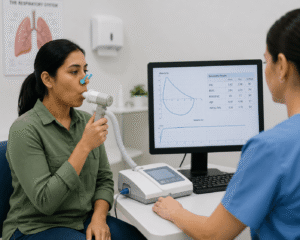

Long COVID keeps a significant number of people across Northern Ireland unwell for months, sometimes years, after their initial coronavirus infection has cleared. Fatigue that does not lift with rest, breathlessness on the stairs that was never there before and a fog that makes concentrating at work feel impossible are just some of the ways it shows up. The condition is now well recognised by the NHS and the National Institute for Health and Care Excellence (NICE), yet many people living with it still feel unsure where to turn for answers. This guide explains what post-COVID syndrome is, who it affects, how it is diagnosed and what support is available through private GP and testing services in Lurgan.
What Is Long COVID?
Long COVID, also called post-COVID syndrome or post-viral syndrome, describes symptoms that develop during or after a coronavirus infection and continue longer than would normally be expected. NICE, working jointly with the Scottish Intercollegiate Guidelines Network (SIGN) and the Royal College of General Practitioners (RCGP), defines three distinct stages following infection:
- Acute COVID-19: signs and symptoms for up to four weeks
- Ongoing symptomatic COVID-19: symptoms that continue from four to twelve weeks after the infection began
- Post-COVID-19 syndrome: symptoms that persist beyond twelve weeks and are not explained by an alternative diagnosis
In everyday language, most people use the term to cover both of the later stages. Fatigue is consistently reported as the most common symptom, followed by breathlessness and difficulty concentrating.
| Stage | Timeframe | What it means |
|---|---|---|
| Acute COVID-19 | 0 to 4 weeks | The initial infection and its immediate symptoms |
| Ongoing symptomatic COVID-19 | 4 to 12 weeks | Symptoms have not yet resolved but may still improve |
| Post-COVID-19 syndrome (Long COVID) | 12 weeks or more | Symptoms persist and are not explained by another condition |
Who Is Affected by Long COVID?
Long COVID can affect anyone who has had a coronavirus infection, regardless of how mild or severe the original illness was. Some people who barely noticed their initial infection go on to develop persistent symptoms, while others who were seriously unwell recover quickly. Research from the Office for National Statistics suggests post-COVID syndrome affects around one in thirty people in the UK at any given time, with certain groups more likely to be affected:
- Adults aged 35 to 64, particularly those in the 45 to 54 age bracket
- Women more often than men
- People who had a more severe initial infection or required hospital treatment
- People with pre-existing asthma or another lung condition
- People living with obesity
- Those who were not vaccinated at the time of infection
Common Symptoms of Long COVID
Post-COVID syndrome rarely presents as a single symptom. Most people experience a cluster of issues that can fluctuate from day to day, which is part of what makes the condition so difficult to live with. Symptoms are generally grouped by the body system they affect.
Energy and general symptoms
- Persistent fatigue that is not relieved by rest
- Post-exertional symptom exacerbation, where symptoms worsen after physical or mental effort
- Low-grade fever
- Muscle and joint pain
Respiratory symptoms
- Breathlessness, including on mild exertion
- A persistent cough
- Chest tightness
Cardiovascular symptoms
- Heart palpitations or a noticeably fast heart rate
- Chest pain
- Dizziness on standing
Persistent palpitations or an unexplained fast heart rate are also a common reason people book a check-up. Our guide to heart health covers what these symptoms can mean more generally.
Neurological and cognitive symptoms
- Brain fog, including poor concentration and memory problems
- Headaches
- Disturbed or unrefreshing sleep
- Pins and needles or numbness
Other symptoms
- Loss or change of taste and smell
- Digestive symptoms such as nausea, bloating or reduced appetite
- Low mood, anxiety or symptoms of post-traumatic stress
- Skin rashes and hair loss
Because Long COVID overlaps with so many other conditions, from anaemia and thyroid problems to asthma, COPD and anxiety disorders, a proper clinical assessment matters. Symptoms that resemble post-COVID syndrome sometimes turn out to have a different, more treatable cause, which is why our guide to respiratory consultations and lung function tests is worth a read if breathlessness is your main concern.
How Is Long COVID Diagnosed?
There is no single blood test, scan or biomarker that confirms Long COVID on its own. Instead, diagnosis is built through a structured clinical assessment that looks at the whole picture: your history of infection, the pattern and timing of your symptoms and a set of investigations designed to rule out other explanations.
A typical assessment for suspected post-COVID syndrome includes:
- A detailed conversation about when your symptoms started, how they have changed and how they affect your daily life
- A physical examination
- Blood tests to check for anaemia, thyroid dysfunction, inflammation and heart, liver, kidney and nutritional markers that can mimic or worsen post-viral symptoms
- An electrocardiogram (ECG) if palpitations, chest pain or a racing heart rate are present
- Lung function testing if breathlessness or a persistent cough is a leading symptom
- Referral to a respiratory consultant if breathing symptoms do not settle or need more specialist input
At Friends Medical Service, this pathway starts with a GP Appointment. We recommend booking a 45-minute consultation for a suspected post-COVID assessment, since this is listed as a complex or chronic presentation that benefits from a longer, unhurried appointment. No GP referral is needed to book privately, and same-day appointments are often available at our Lurgan clinic.

Getting Assessed and Supported at Friends Medical Service
Friends Medical Service offers a dedicated Post Viral / Long COVID blood panel through our Blood Testing & Health Checks service. This targeted panel tests across eleven health areas, including liver health, blood count, heart health, muscle and joint health, iron status, thyroid health, infection and inflammation markers, kidney health, pancreatic health, nutritional health and diabetes health, giving a clearer picture of what may be driving ongoing symptoms after a viral infection. If fatigue is your main concern, our guide to private blood testing for unexplained tiredness covers the wider range of tests available.
Depending on your symptoms, your GP may also recommend:
- Lung Function Test: for anyone whose breathlessness or reduced exercise tolerance needs formal assessment
- Respiratory Consultant Service: our respiratory consultation service explicitly covers Long COVID respiratory symptoms, alongside asthma, COPD and unexplained breathlessness, under the care of Dr Hagan, a Consultant in Respiratory and General Medicine
- Sleep Analysis: a home sleep study if disrupted or poor-quality sleep is contributing to fatigue and you have signs suggestive of sleep apnoea
- Counselling: confidential, BACP-registered support for the anxiety, low mood or frustration that so often comes with a long-term, fluctuating illness
- Sports Injury & Physio: personalised, paced physiotherapy support to help rebuild strength and tolerance to activity safely, led by Declan Judge through our partnership with Pendulum Physiotherapy
Our GP consultant Dr Abdel Nasir Nour sees patients for blood testing, general health reviews and mental health concerns, and can coordinate this kind of joined-up assessment where several symptoms overlap. For more detail on two of the services above, read our guides to private sleep studies and sports injury physiotherapy.
| Service | What it covers | Price |
|---|---|---|
| Face to Face GP Consultation | Initial assessment, history and examination | From £70 |
| Post Viral / Long COVID Panel | Blood testing across 11 health areas linked to post-viral symptoms | £250 |
| Respiratory Initial Consultation | Specialist assessment for persistent breathlessness or cough, including Long COVID | £225 (includes £25 admin fee) |
| Referral Appointment with GP (Lung Function) | Discuss symptoms and request spirometry or FeNO testing | £70 |
| Counselling Session (in person or online) | Support for the emotional impact of long-term illness | £80 |
| Sleep Study (with your own GP referral) | Home sleep study to investigate sleep apnoea | £210 |
| Physiotherapy | Graded, paced rehabilitation and reconditioning | From £45 |
If you are managing your GP care through a subscription, our GP Subscription Plans offer continuity of care with a GP who gets to know your history, which many patients with a fluctuating, long-term condition find valuable for ongoing monitoring and follow-up. Our guide to private GP subscription plans explains how these work in more detail.
Living with and Managing Long COVID
There is currently no single cure or specific medication for Long COVID. Management instead focuses on treating individual symptoms, supporting recovery and helping people gradually rebuild their tolerance to everyday activity. The following approaches are widely recommended by the NHS and NICE:
- Pacing: balancing activity and rest to avoid triggering post-exertional symptom exacerbation, where pushing through fatigue makes symptoms worse for days afterwards
- Gradual, symptom-led return to activity: increasing physical and mental activity slowly, guided by how your body responds rather than a fixed schedule
- Breathing techniques: for breathlessness, slow and controlled breathing exercises can reduce the sense of effort involved in everyday tasks
- Sleep hygiene: a consistent routine and good sleep habits, since disrupted sleep tends to worsen fatigue and brain fog
- Nutrition and hydration: eating regularly and staying well hydrated supports energy levels and general recovery
- Emotional support: talking to a counsellor, GP or trusted support network, since living with an unpredictable illness takes a toll on mental health as well as physical health
- Structured physiotherapy: working with a physiotherapist who understands post-viral pacing can help you rebuild strength without setting your recovery back
Recovery from post-COVID syndrome is rarely a straight line. Many people notice good weeks followed by a relapse, particularly after physical overexertion, stress or another illness. Keeping a simple symptom diary can help you and your GP spot patterns and adjust your management plan accordingly.

When to Seek Urgent Help
Most of these symptoms, while disruptive, are not medical emergencies. However, some signs should never be managed at home. Call 999 immediately or go to your nearest emergency department if you experience:
- Severe breathlessness or difficulty breathing at rest
- Chest pain or other signs of a heart attack
- Sudden confusion, fainting or loss of consciousness
- Blue lips or face
- Any other symptom that feels acutely dangerous rather than part of your ongoing pattern
If you are unsure whether your symptoms need urgent attention or a routine GP review, it is always safer to seek advice than to wait and see.
Frequently Asked Questions
What is the difference between ongoing symptomatic COVID-19 and Long COVID?
Ongoing symptomatic COVID-19 refers to symptoms that continue for four to twelve weeks after infection. Long COVID, or post-COVID-19 syndrome, is the term used once symptoms persist beyond twelve weeks and cannot be explained by another diagnosis. In practice, many people use “Long COVID” to describe both stages.
How long does Long COVID usually last?
Duration varies considerably from person to person. Many people improve gradually over several months, while others experience symptoms for a year or longer. Research suggests that for a significant proportion of people, symptoms are still present two years after the initial infection, which is why ongoing assessment and support matter.
Do I need a referral to be assessed at Friends Medical Service?
No. You can book a private GP appointment directly, without a referral from your NHS GP. From there, our GP can arrange blood testing, lung function testing or a respiratory consultant referral if your symptoms warrant it.
What tests are used to investigate it?
There is no single test that confirms post-COVID syndrome. Instead, a GP will typically arrange blood tests to check for other causes of fatigue and inflammation, alongside tests such as an ECG or lung function assessment where relevant symptoms are present. The goal is to rule out alternative explanations and build a clear picture of what is affecting you.
Can children develop Long COVID?
Yes, although it is less common than in adults. Children and young people can experience prolonged fatigue, breathlessness, sleep problems and difficulty concentrating after a coronavirus infection. If you are concerned about a child’s ongoing symptoms, a GP appointment is the right starting point.
Is there a specific treatment or cure?
Not currently. Management focuses on treating individual symptoms, supporting gradual recovery through pacing and rehabilitation and monitoring for any underlying complications that need separate treatment.
Can patients from the Republic of Ireland be assessed at your Lurgan clinic?
Yes. Friends Medical Service welcomes cross-border patients from the Republic of Ireland across all of our services. Visit our Cross-Border (Ireland) Patients page for more information on how the process works.
Further Reading
If you’d like to read more from independent, patient-focused sources before your consultation, the following are reputable places to start:
- NHS: Long COVID, for an overview of symptoms and when to seek help
- NICE NG188: COVID-19 rapid guideline on managing the long-term effects of COVID-19, developed jointly with SIGN and the Royal College of General Practitioners
- Asthma + Lung UK: Long COVID and breathlessness support, for practical advice on managing breathing symptoms
- Long COVID SOS, a patient-led charity providing information and advocacy for people living with the condition
These resources are useful starting points, but they are not a substitute for a clinical assessment tailored to your own symptoms and medical history.
Final Thoughts
Long COVID can be exhausting, confusing and isolating, particularly when symptoms come and go without warning. The most useful first step is a proper clinical assessment: one that looks at your history, checks for other possible causes and builds a management plan around your specific symptoms rather than a generic checklist.
At Friends Medical Service, our Lurgan clinic offers a joined-up pathway for people affected by post-COVID syndrome, from an initial GP Appointment and our dedicated Post Viral / Long COVID blood panel through to respiratory, sleep, counselling and physiotherapy support where it is needed. We see patients from across Lurgan, Craigavon, Portadown, Lisburn, Banbridge, Armagh and Belfast, as well as cross-border patients from the Republic of Ireland.
If ongoing fatigue, breathlessness or brain fog are affecting your daily life, book a GP appointment or contact our team to discuss the right starting point for you.