Chronic obstructive pulmonary disease (COPD) affects hundreds of thousands of people across the UK, yet many live with worsening breathlessness for years before receiving a diagnosis. Because the condition develops gradually, early symptoms are often mistaken for the natural effects of ageing or put down to a lingering “smoker’s cough.” Understanding what COPD is, how it’s diagnosed and what treatment can achieve makes it easier to act early, when management options are most effective.
What Is COPD?
Chronic obstructive pulmonary disease is an umbrella term for a group of progressive lung conditions that cause the airways to narrow and make breathing harder over time. It covers two main conditions:
- Emphysema – damage to the tiny air sacs (alveoli) in the lungs, which reduces the surface area available for oxygen exchange
- Chronic bronchitis – long-term inflammation and narrowing of the airways, often with excess mucus production
Most people with COPD have a combination of both. Unlike asthma, the airway damage in COPD is largely permanent, so while treatment can ease symptoms and slow progression, it cannot reverse the underlying damage. COPD mainly affects adults over 35 and becomes more common with age, though the lung damage itself typically builds up over many years before symptoms appear.
Symptoms of COPD
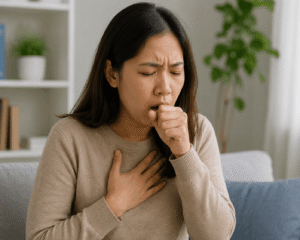
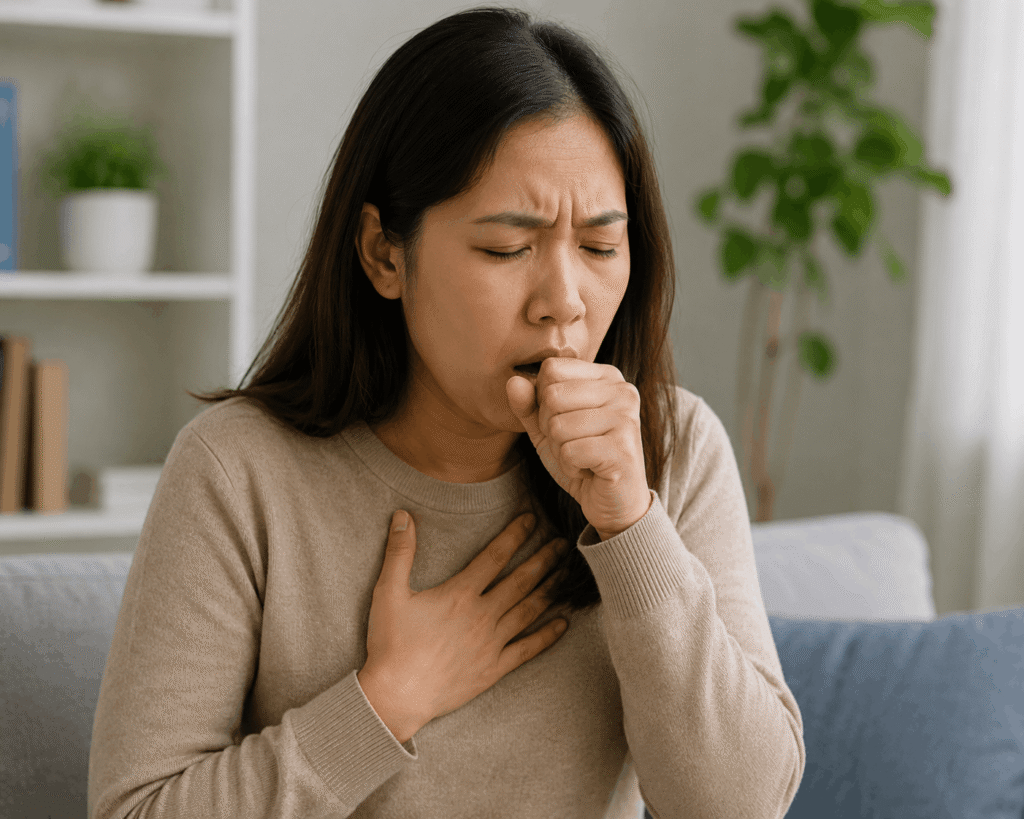
COPD symptoms tend to develop slowly and worsen gradually, which is part of why the condition is so often diagnosed late. Common symptoms include:
- Breathlessness, especially during physical activity or exertion
- A persistent cough with phlegm, sometimes dismissed as a smoker’s cough
- Frequent chest infections
- Wheezing
- Fatigue and reduced exercise tolerance
- Tightness in the chest
As the condition progresses, some people experience swelling in the ankles or legs, unintended weight loss, or blueish lips and fingertips due to low oxygen levels. Periods when symptoms suddenly worsen are known as flare-ups or exacerbations, and these can be triggered by infections, cold weather or air pollution.
What Causes COPD?
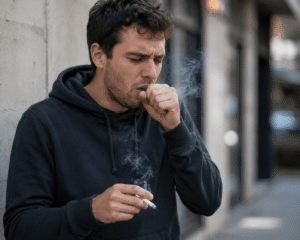
Smoking is by far the leading cause of COPD, responsible for the majority of cases in the UK. The risk increases with the number of cigarettes smoked and the number of years someone has smoked. Other contributing factors include:
- Occupational exposure to dust, fumes and chemicals, relevant to workers in farming, construction and manufacturing across Northern Ireland
- Long-term exposure to air pollution, indoors and outdoors
- Alpha-1 antitrypsin deficiency, a genetic condition that reduces a protein which protects the lungs, occasionally causing COPD in younger people who have never smoked
- A history of childhood respiratory infections that may have affected lung development
- Passive smoke exposure over long periods
While smoking remains the dominant risk factor, it’s worth noting that a meaningful minority of people with COPD have never smoked at all.
COPD vs Asthma: What’s the Difference?
Because both conditions cause breathlessness, wheezing and coughing, COPD and asthma are sometimes confused with one another or misdiagnosed. There are, however, some clear distinguishing features.
| Feature | COPD | Asthma |
|---|---|---|
| Typical age of onset | Usually over 35 | Often begins in childhood |
| Smoking history | Present in almost all cases | Not usually a cause |
| Symptom pattern | Persistent and slowly progressive | Variable, comes and goes |
| Night-time symptoms | Uncommon | Common |
| Response to inhalers | Partial, airway narrowing is largely fixed | Usually good, airways are more reversible |
| Chronic productive cough | Common | Less common |
Some people have features of both conditions, sometimes referred to as asthma-COPD overlap, which is why accurate testing matters when symptoms don’t fit neatly into one category.
How Is COPD Diagnosed?
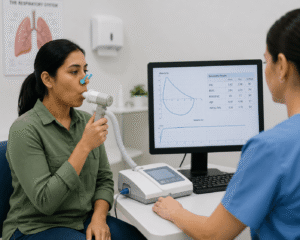
A diagnosis usually starts with a GP reviewing your symptoms, smoking history and any occupational exposures, followed by a physical examination. From there, several tests help confirm the diagnosis and rule out other conditions:
- Spirometry – the key diagnostic test, measuring how much air you can forcefully exhale and how quickly. A reduced FEV1/FVC ratio after using a bronchodilator confirms airflow obstruction consistent with COPD
- FeNO testing – measures inflammation in the airways and helps distinguish COPD from asthma when the picture is unclear
- Full pulmonary function tests – a more detailed assessment of lung volumes and gas transfer, useful in complex or borderline cases
- Chest X-ray – to rule out other causes of symptoms, such as lung cancer or heart failure
- Blood tests – including a check for alpha-1 antitrypsin deficiency in younger patients or non-smokers
- Pulse oximetry – a quick, non-invasive check of blood oxygen levels
At Friends Medical Service, lung function testing is available with a same-day or fast-tracked private appointment, without the wait often associated with routine referral pathways.
| Test | Price |
|---|---|
| FeNO test with your own GP referral | £50 |
| Suspected asthma (spirometry and FeNO) | From £150 |
| Suspected COPD assessment | From £180 |
| Referral appointment with our GP | £70 |
| Respiratory consultant initial consultation | £225 (includes £25 admin fee) |
Find out more or book on our Lung Function Test page, or visit our Respiratory Consultant Service page for specialist assessment.
COPD Severity: Understanding the Stages
Once a diagnosis is confirmed, spirometry results are used to grade the severity of airflow obstruction. This is generally broken down as follows:
| Stage | FEV1 (% predicted) | Description |
|---|---|---|
| Mild | 80% or above | Some airflow limitation, often with few noticeable symptoms |
| Moderate | 50–79% | Worsening breathlessness on exertion becomes more noticeable |
| Severe | 30–49% | Breathlessness affects daily activities, exacerbations more frequent |
| Very severe | Below 30% | Significant impact on quality of life, higher risk of complications |
Clinicians also use symptom scales, such as the modified Medical Research Council (mMRC) breathlessness scale, alongside spirometry to build a fuller picture and guide treatment decisions. It’s worth remembering that staging reflects lung function at a point in time rather than a fixed prognosis; many people with a diagnosis of having a moderate stage of airflow obstruction manage their symptoms well for years with the right treatment plan.
Treatment and Management Options
There’s currently no cure for COPD, but a combination of lifestyle changes and medical treatment can ease symptoms, reduce flare-ups and help preserve quality of life.
Stopping smoking is the single most effective step anyone with COPD can take. It won’t reverse existing damage, but it significantly slows further decline in lung function. Our complete guide to quitting smoking covers practical strategies and support options for giving up for good.
Inhaled treatment typically follows a stepped approach based on NICE guidance, starting with short-acting bronchodilators for symptom relief and progressing, where needed, to long-acting bronchodilators (LABA and LAMA) and combination inhalers that also include an inhaled corticosteroid.
Pulmonary rehabilitation combines supervised exercise with education on managing breathlessness, and has strong evidence behind it for improving exercise tolerance, reducing hospital admissions and improving overall quality of life.
Vaccinations, including the annual flu vaccine, pneumococcal vaccine and COVID-19 vaccine, are recommended, since respiratory infections are a common trigger for exacerbations.
Oxygen therapy may be considered for people with more advanced disease, assessed through blood gas measurements taken on separate occasions.
Managing exacerbations usually involves a short course of steroids and, where a bacterial infection is suspected, antibiotics, alongside a plan agreed with your GP or respiratory team for recognising and responding to flare-ups early.
In a small number of severe cases, surgical options such as lung volume reduction may be considered, though these are typically managed through specialist NHS respiratory or thoracic surgery teams following referral.
Living with COPD Day to Day
Alongside medical treatment, many people find that a few practical adjustments make a real difference to daily life:
- Pacing activities and building in rest periods to avoid overexertion
- Learning breathing techniques, such as pursed-lip breathing, to manage breathlessness
- Maintaining a healthy weight, since both being underweight and overweight can make breathing harder
- Staying as active as symptoms allow, since inactivity tends to worsen breathlessness over time
- Avoiding known triggers such as cold air, smoke and high pollution days where possible
- Seeking support for low mood or anxiety, which are common alongside long-term breathing conditions
When Should You See a Doctor?
It’s worth seeing a GP if you have persistent breathlessness, a chesty cough that won’t clear or frequent chest infections, particularly if you’re over 35 and currently smoke or have smoked in the past. Seek urgent medical attention if you experience sudden severe breathlessness, blue lips or fingertips, or you’re coughing up blood.
At Friends Medical Service, you can book a referral appointment with our GP to discuss your symptoms and arrange lung function testing, or go straight for a suspected COPD assessment if you already have a referral. Where further specialist input is needed, our Respiratory Consultant Service provides fast access to respiratory specialists, including Dr Hagan, a consultant in respiratory and general medicine with particular expertise in COPD, asthma, pulmonary fibrosis and undiagnosed breathlessness. You can also book a GP appointment directly if you’d like to discuss your symptoms first.
FAQs
Can COPD be cured?
There’s no cure for COPD, but treatment can significantly ease symptoms, reduce the frequency of flare-ups and help maintain a good quality of life, particularly when started early.
Is COPD the same as emphysema?
Emphysema is one of the two main conditions that make up COPD, alongside chronic bronchitis. Most people with COPD have elements of both.
Can non-smokers get COPD?
Yes. While smoking is the leading cause, COPD can also develop from long-term occupational exposure, air pollution or a genetic condition called alpha-1 antitrypsin deficiency.
How quickly does COPD progress?
Progression varies widely between individuals and depends on factors such as continued smoking, exposure to triggers and how well the condition is managed. Stopping smoking and following a treatment plan can substantially slow decline.
What is a COPD flare-up (exacerbation)?
An exacerbation is a period when symptoms such as breathlessness, cough and mucus production suddenly worsen beyond normal day-to-day variation, often triggered by an infection. Prompt treatment can reduce the impact and shorten recovery time.
Can exercise help COPD?
Yes. Regular, appropriately paced exercise, particularly through a structured pulmonary rehabilitation programme, is one of the most effective ways to improve breathlessness, fitness and quality of life with COPD.
Is COPD hereditary?
Most COPD is linked to smoking or environmental exposure rather than genetics, though a rarer inherited condition called alpha-1 antitrypsin deficiency can cause COPD, particularly in younger people or non-smokers.
What’s the outlook for someone with COPD?
The outlook varies considerably depending on how advanced the condition is at diagnosis, whether smoking continues and how well treatment is followed. Many people live full, active lives for years with well-managed COPD, especially when diagnosed and treated early.
Further Reading
- NHS: Chronic obstructive pulmonary disease (COPD)
- NICE NG115: Chronic obstructive pulmonary disease in over 16s
- Asthma + Lung UK: Pulmonary rehabilitation
Ready to Get Answers About Your Breathing?
If you’ve noticed ongoing breathlessness, a persistent cough or frequent chest infections, getting tested early can make a real difference to how COPD is managed going forward. Book a lung function test or a GP appointment with Friends Medical Service today, or get in touch with our team to discuss the right first step for you.