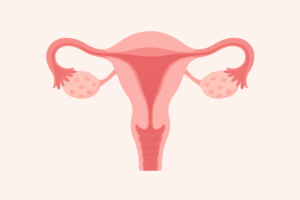

The menopausal transition affects every woman who lives long enough to experience it, yet it remains one of the most misunderstood stages of life. In the UK the average age for reaching this stage is 51, but the transition leading up to it can begin years earlier and bring a wide range of physical and emotional changes. Understanding what is happening to your body, and knowing what support is available, can make this stage of life far easier to manage.
This guide explains what to expect, the symptoms to look out for, how it is diagnosed and the treatment options available, including private menopausal care in Northern Ireland.
What Is Menopause?
Menopause is defined as the point when a woman has not had a period for 12 consecutive months. It happens because the ovaries gradually produce less oestrogen and progesterone until they stop releasing eggs altogether. It is a natural biological process rather than an illness, though the symptoms it brings can significantly affect daily life, relationships and work.
It can occur:
- Naturally, as part of the normal ageing process, usually between the ages of 45 and 55
- Prematurely, before the age of 40, sometimes without an identifiable cause
- Surgically, following removal of the ovaries
- Medically, as a result of cancer treatments such as chemotherapy or radiotherapy
The Stages of the Menopausal Transition
This is not a single event but a transition that unfolds in three recognised stages.
- Perimenopausal – the lead-up to menopause, when hormone levels begin to fluctuate and periods become irregular. This stage can last anywhere from a few months to several years.
- Menopausal – the point at which a full 12 months have passed without a period.
- Postmenopausal – the years that follow, when many symptoms ease but the long-term health effects of lower oestrogen, such as reduced bone density, become more relevant.
Common Symptoms to Watch For
Symptoms vary considerably from woman to woman. Some notice very little change, while others find symptoms have a substantial impact on quality of life. The most commonly reported symptoms include:
Physical symptoms
- Hot flushes and night sweats,
- Irregular or heavier/lighter periods during perimenopause,
- Vaginal dryness and discomfort during sex,
- Headaches and joint aches,
- Changes in weight and body shape, or
- Dry skin and thinning hair.
Emotional and cognitive symptoms
- Low mood, anxiety or irritability,
- Difficulty concentrating or “brain fog”,
- Reduced self-confidence, or
- Sleep disturbance, often linked to night sweats.
Other changes
- Reduced libido,
- Recurrent urinary tract infections, or
- Palpitations.
Symptoms can begin months or even years before periods stop completely, which is why many women are in perimenopause without realising it.

What Causes Menopause?
The underlying cause of this natural transition is the gradual decline in ovarian function with age. As oestrogen and progesterone levels fall, ovulation becomes less regular until it stops entirely. Several factors can influence its timing and severity:
- Family history – it often occurs around a similar age to a woman’s mother or older sisters.
- Smoking – linked to an earlier onset and often more severe hot flushes.
- Surgery – removal of the ovaries causes immediate surgical menopause.
- Cancer treatment – chemotherapy and radiotherapy can bring it on earlier than expected.
- Underlying health conditions – autoimmune conditions and certain genetic factors can cause premature ovarian insufficiency.
How Is Menopause Diagnosed?
For most women over 45, menopause and perimenopause are diagnosed based on symptoms alone, without the need for blood tests. Current clinical guidance recommends that women in this age group with typical symptoms, such as vasomotor symptoms and irregular periods, can be diagnosed on clinical grounds.
Blood testing may still be useful in certain situations, including:
- Women aged 40 to 45 with menopause-associated symptoms,
- Women under 40 where premature menopause is suspected and
- Women whose symptoms are unclear or complicated by other health conditions.
A GP consultation is the best starting point for anyone experiencing possible perimenopausal or menopausal symptoms. At Friends Medical Service, patients can book a GP appointment to discuss symptoms, and where appropriate arrange blood testing and health checks to support diagnosis and rule out other causes.
Treatment Options for Managing Menopause
There is no single “correct” way to manage menopause. Treatment is tailored to individual symptoms, medical history and personal preference. Options generally fall into the following categories.
- Hormone Replacement Therapy (HRT) – replaces the oestrogen, and where needed progesterone, that the body is no longer producing. Available as tablets, patches, gels or sprays, HRT is considered the most effective treatment for hot flushes, night sweats and many other menopausal symptoms.
- Vaginal oestrogen – a localised, low-dose treatment for vaginal dryness and discomfort that can be used alongside or instead of systemic HRT.
- Non-hormonal medication – certain medications can help with hot flushes and mood symptoms for women who cannot or prefer not to take HRT.
- Cognitive behavioural therapy (CBT) – a talking therapy shown to help with low mood, anxiety and the impact of hot flushes on daily life.
- Lifestyle adjustments – diet, exercise and stress management can meaningfully reduce the severity of symptoms for many women.
Lifestyle Steps That Can Help
Alongside any medical treatment, small lifestyle changes often make a real difference to how menopause feels day to day.
- Take regular weight-bearing exercise to support bone and heart health.
- Eat a balanced diet with adequate calcium and vitamin D.
- Reduce alcohol and caffeine, both of which can trigger hot flushes.
- Prioritise sleep hygiene, including a cool bedroom and a consistent bedtime routine.
- Practise stress-reduction techniques such as breathing exercises or yoga.
- Stop smoking, since smokers tend to experience menopause earlier and more severely.
- Stay hydrated and dress in layers to manage hot flushes more comfortably.
Menopause and Long-Term Health
Falling oestrogen levels do not only cause short-term symptoms. Over time, lower oestrogen is linked to an increased risk of osteoporosis and cardiovascular disease, which is why postmenopausal health checks matter as much as symptom management. Bone density naturally decreases more quickly in the years following menopause, so understanding your bone health is a worthwhile step. Our guide to bone health explains the risk factors involved and how they can be assessed.
Weight changes are also common during and after menopause, often linked to hormonal shifts rather than diet or activity levels alone. Where weight management support is needed, our weight management services can help build a plan suited to this stage of life.
For women who are still perimenopausal and require contraception, it is worth noting that fertility can persist even with irregular periods. Our comparison of the Mirena IUS and copper coil covers options that some women continue to use through perimenopause, including as the progestogen component of HRT in the case of the Mirena.
When Should You See a Doctor?
Most menopausal symptoms are a normal part of the transition, but it is worth speaking to a doctor if:
- Symptoms are affecting your work, relationships or day-to-day life,
- You experience menopausal symptoms before the age of 45,
- You have heavy or irregular bleeding that concerns you,
- You are unsure whether HRT is suitable for you,
- Vaginal dryness or urinary symptoms are becoming troublesome, or
- You want a personalised assessment of your bone or heart health risk.
Private Menopause Care at Friends Medical Service
Getting timely, unhurried advice can make a significant difference to how manageable menopause feels. At Friends Medical Service, patients can access private gynaecology services for a full assessment of menopausal symptoms, including consultation with Dr Edgar Boggs, our consultant gynaecologist. Appointments can cover symptom review, examination where appropriate, discussion of HRT and non-hormonal treatment options and onward referral if needed.
For women who would prefer to start with their GP, a GP appointment is often the quickest way to begin the conversation, with blood tests and gynaecology referral arranged as required.
Frequently Asked Questions
At what age does menopause usually start?
The average age for menopause in the UK is 51, though perimenopausal symptoms can begin in a woman’s 40s. Menopause before 45 is considered early, and before 40 is classed as premature.
How long do menopause symptoms last?
This varies widely. Some women experience symptoms for a couple of years, while others notice hot flushes and other symptoms for a decade or more. Perimenopause itself can last anywhere from a few months to several years before periods stop completely.
Do I need a blood test to confirm menopause?
Not usually, if you are over 45 and have typical symptoms. Blood tests are more useful for women under 45 or where the diagnosis is unclear.
Is HRT safe?
For most women, the benefits of HRT outweigh the risks, particularly when started around the time symptoms begin. Suitability depends on individual medical history, which is why a consultation with a GP or gynaecologist is important before starting treatment.
Can menopause cause weight gain?
Hormonal changes during menopause can shift where fat is stored, often towards the abdomen, and can make weight management more difficult even without changes to diet or exercise. Muscle mass also tends to decline with age, which lowers overall calorie needs.
Will I still need contraception during perimenopause?
Yes. Ovulation can still occur even with irregular periods, so contraception is generally recommended until 12 months after your last period if you are over 50, or two years after your last period if you are under 50.
What is the difference between perimenopause and menopause?
Perimenopause is the transitional phase leading up to menopause, marked by fluctuating hormones and irregular periods. Menopause itself is a single point in time, reached once 12 consecutive months have passed without a period.
Further Reading
- NHS – Menopause
- NHS – Menopause Symptoms
- Women’s Health Concern
- British Menopause Society
- NICE Guideline NG23 – Menopause: Identification and Management
Ready to Talk to Someone About Your Symptoms?
Menopause looks different for everyone, and you do not need to manage it alone. Whether you are just noticing the first signs of perimenopause or have been living with symptoms for some time, getting a professional assessment is the best way to find out what will help.
Book a GP appointment to discuss your symptoms and next steps, or go straight to a specialist consultation with Dr Edgar Boggs through our private gynaecology services. Our team can talk you through HRT and non-hormonal options, arrange blood testing where needed and build a plan around your symptoms and health history.
Get in touch with Friends Medical Service today to book your appointment.