

Waking up gasping for air is a frightening experience that sends many adults searching for answers in the middle of the night. The sensation can come from the throat narrowing during sleep, fluid building up around the lungs, night-time asthma or a surge of anxiety. Each cause needs a different approach, so understanding what sits behind waking up gasping is the first step towards the right test and the right treatment. This guide explains what waking up gasping can mean, which warning signs need urgent help, how doctors investigate the problem and which tests are available at
Friends Medical Service in Lurgan. Our clinic serves patients across Craigavon, Belfast, Lisburn and the wider Northern Ireland area.What Does Waking Up Gasping Mean?
Waking up gasping describes a sudden jolt out of sleep with a sense that you cannot get enough air. Some people make snorting or choking noises. Others wake breathless and need to sit up or stand at an open window before the feeling eases. Doctors separate these experiences because they point towards different causes:
- Gasping, snorting or choking during sleep is a recognised sign of sleep apnoea, a condition where breathing stops and starts through the night.
- Waking suddenly with shortness of breath at night is called paroxysmal nocturnal dyspnoea (PND) and is linked with heart and lung conditions.
- Breathlessness that eases when you sit up is called orthopnoea, which means difficulty breathing while lying flat.
- Night-time coughing, wheezing or chest tightness points towards asthma or another airway problem.
- A racing heart with a sense of dread can signal a panic attack.
Describing exactly what happened in the first minutes of waking up gasping is the most useful clue you can give a clinician. A partner who has watched you sleep can add detail you cannot provide yourself.
When Waking Up Gasping Is an Emergency
Most episodes of waking up gasping settle within minutes. Some episodes of waking up gasping need urgent help. The National Health Service (NHS) advises calling 999 for
severe difficulty breathing. Call 999 if you notice any of the following:- You are gasping or choking and cannot get words out
- Your lips, tongue or skin look pale, blue or grey
- You have chest pain, pressure or tightness
- You are coughing up frothy pink phlegm
- You are having an asthma attack and your reliever inhaler is not helping
- Someone has passed out and is not responding normally
Do not drive yourself to accident and emergency (A&E); the call handler will advise you what to do. Ask for an urgent appointment with a general practitioner (GP) if you feel breathless when lying down, struggle with everyday activity or have gained weight suddenly. Our guide to
A&E, GP out-of-hours and private GP care explains which service suits each situation in Northern Ireland. For symptoms that are worrying but not an emergency, our same-day and next-day private GP service offers planned appointments at the Lurgan clinic.
Common Causes of Waking Up Gasping
Obstructive Sleep Apnoea
Obstructive sleep apnoea (OSA) is a leading cause of waking up gasping for air. The walls of the throat relax and narrow during sleep, which interrupts normal breathing. Each time oxygen falls, the brain pulls you out of deep sleep so the airway can reopen. Many people have no memory of these interruptions but still wake unrefreshed. The
NHS lists the main signs of sleep apnoea, which explain why waking up gasping for air is so closely linked with the condition:- Breathing that stops and starts
- Gasping, snorting or choking noises
- Waking up a lot
- Loud snoring
- Feeling very tired during the day
- Difficulty concentrating
- Mood swings
- A headache on waking
Heart Failure and Other Heart Problems
Heart failure means the heart cannot pump blood properly. Once you lie flat, fluid can back up into the lungs, which can cause waking up gasping a few hours after falling asleep. The NHS lists breathlessness when lying down, coughing at night, swelling in the feet, ankles, legs or tummy, sudden weight gain and tiredness among the symptoms. Causes include high blood pressure, coronary heart disease, heart valve disease, heart rhythm problems, anaemia and thyroid problems. Assessment can include blood and urine samples, an electrocardiogram (ECG), a chest X-ray and an echocardiogram. An
ECG at our Lurgan clinic records the electrical activity of your heart in a few minutes. It is one part of the assessment and cannot confirm heart failure on its own. Our guides to heart health and high blood pressure explain the wider picture.Asthma and Night-Time Breathing Problems
The NHS notes that asthma symptoms may be worse at night and early in the morning. It advises seeing a GP if symptoms wake you up. Wheezing, coughing, shortness of breath and a tight chest are the main signs. Poorly controlled asthma, chronic obstructive pulmonary disease (COPD) and other lung conditions can all cause waking up gasping. Our guides to asthma and COPD cover symptoms and testing. A private GP appointment for cough, chest symptoms and breathlessness is a practical first step if you also cough or wheeze during the day. Spirometry (a breathing test) and a FeNO test, which measures airway inflammation, are available through our Lung Function Test service.Acid Reflux
Stomach acid travelling up towards the throat causes a burning feeling in the chest and a sour taste. The NHS says
acid reflux can also cause a cough that keeps coming back. It adds that symptoms are worse after eating, when lying down and when bending over. A cough that flares once you lie flat can contribute to waking up gasping. The NHS suggests avoiding food within three or four hours of bedtime. It also suggests raising the head of the bed by 10 to 20cm with blocks rather than adding pillows, because extra pillows can increase pressure on the belly.Anxiety and Night-Time Panic Attacks
A panic attack brings a rush of intense symptoms, including a racing heartbeat, shortness of breath, trembling, a choking sensation and a feeling of dread. The NHS explains that
panic disorder can cause attacks at any time. Most last between 5 and 20 minutes. They are frightening but not dangerous. Night-time panic can feel identical to waking up gasping from a physical cause. Because panic symptoms overlap with heart and lung conditions, a GP should rule out physical causes first. Our guides to mental health support and private counselling explain the talking therapy options available. A private GP appointment for anxiety and stress offers longer appointment options and signposting to talking therapies.Other Contributors
Several everyday factors can make waking up gasping more common:
- Nasal congestion
- Alcohol close to bedtime
- Sedative medicines and sleeping tablets
- Smoking (our guide to how to quit smoking can help)
- Excess weight
- Anaemia and thyroid problems
Anaemia and an underactive thyroid also cause daytime fatigue. Our article on
why you are always tired explains how a blood test can check for them.Comparing the Main Causes of Waking Up Gasping at a Glance
| Cause | What you may notice | First step |
|---|---|---|
| Obstructive sleep apnoea | Snorting, choking, loud snoring, morning headache, daytime sleepiness | Sleep study |
| Heart failure | Breathlessness when lying flat, swollen ankles, sudden weight gain | GP assessment, ECG and blood tests |
| Asthma | Night-time cough, wheeze, chest tightness | Lung function tests and FeNO |
| Acid reflux | Burning chest, sour taste, worse when lying down | GP review and lifestyle changes |
| Panic attack | Racing heart, trembling, sense of dread | GP assessment and talking therapy |
Warning Signs to Record Before You See a Doctor About Waking Up Gasping
A few notes about each episode of waking up gasping, taken over one or two weeks, make a consultation far more productive. Try to record the following:
- Timing: how many hours after falling asleep the episode happens and how many nights each week it recurs.
- The feeling: whether you were choking, breathless, wheezy or aware of a racing heart.
- Witnessed signs: pauses in breathing, loud snoring or gasping noticed by a partner.
- Daytime symptoms: sleepiness, morning headaches, poor concentration or dozing off at the wheel.
- Physical changes: ankle swelling, sudden weight gain or a cough that returns at night.
- Lifestyle factors: alcohol, smoking, late meals and any sedative medicines you take.
Bring the notes with you. They help your clinician decide which test should come first.
How Waking Up Gasping Is Investigated
Investigation follows the clues in your history. A typical pathway looks like this:
- GP assessment. The doctor asks about your symptoms, examines your heart and lungs and checks your blood pressure.
- Blood tests. A full blood count can show anaemia. Wider panels check the thyroid, kidneys and blood sugar.
- ECG. A tracing of the heart rhythm looks for irregularities.
- Lung function tests. Spirometry and FeNO assess the airways for asthma or COPD.
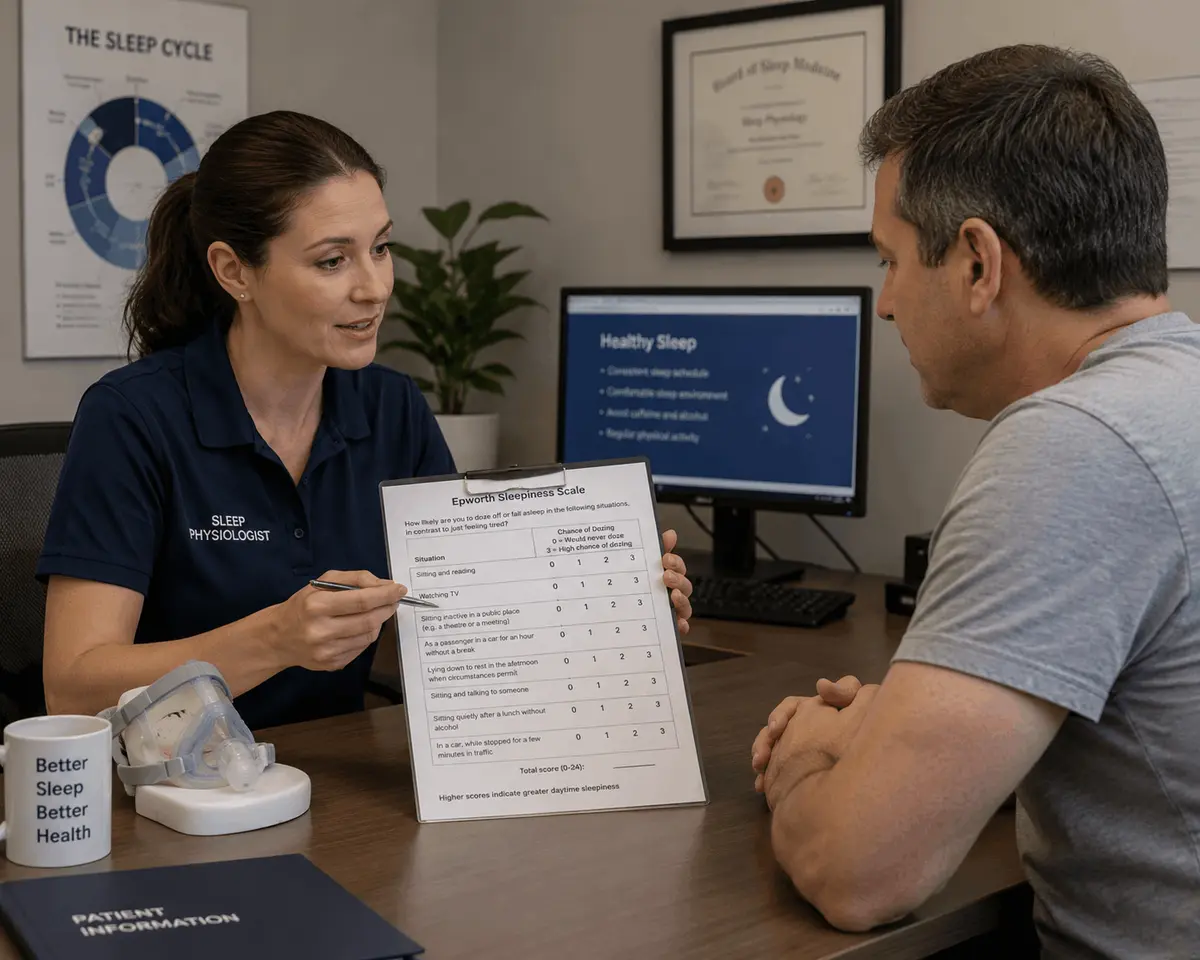
- Sleep study. An overnight home test measures breathing and oxygen levels to look for sleep apnoea.
- Specialist referral. A respiratory consultant or heart specialist reviews complex or unclear results.
Several of our services require a GP referral. You can bring your own or book a
GP referral appointment with our private GP team, which includes Dr Abdel Nasir Nour. Our GP website explains how prescriptions, sick notes and referrals work and introduces our private GP clinicians, including Dr Nour's GP clinician profile.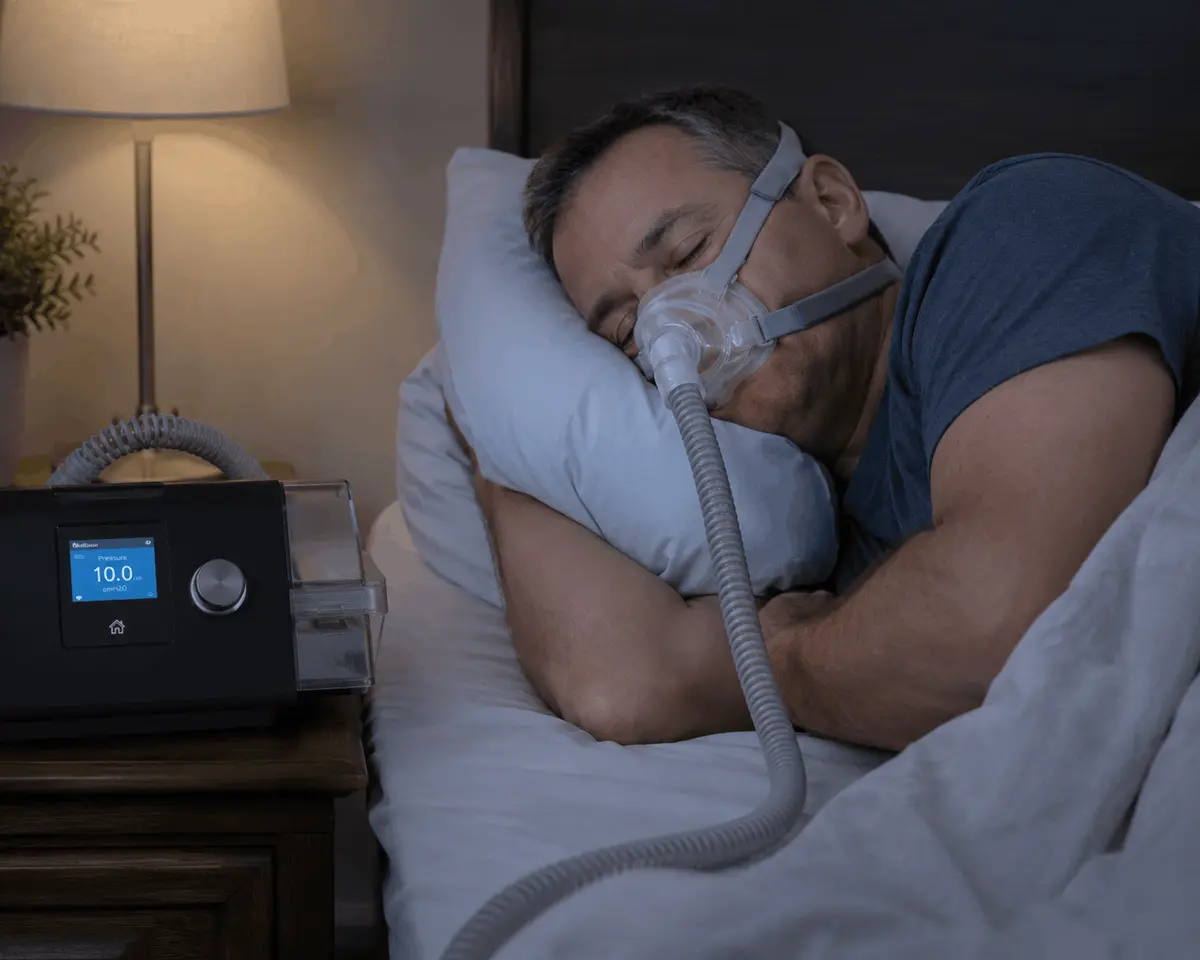
Treatment and Self-Help Options
Treatment for waking up gasping depends entirely on the cause, which is why testing matters before any changes are made.
Sleep Apnoea
The NHS says lifestyle changes such as losing weight, giving up smoking and drinking less alcohol can treat mild sleep apnoea. Sleeping on your side and avoiding sleeping tablets unless a doctor recommends them also help. Many people need a continuous positive airway pressure (CPAP) machine, which gently pumps air into a mask to keep the airway open. A gum-shield style mandibular advancement device is another option. Our
Weight Management service supports patients whose weight contributes to symptoms. Treating the underlying sleep apnoea aims to end the waking up gasping and the daytime tiredness that goes with it. Driving matters too. If sleep apnoea with excessive sleepiness is confirmed, you must not drive until symptoms are under control. You may also need to tell the Driver and Vehicle Licensing Agency (DVLA). The GOV.UK guidance on sleep apnoea and driving sets out the rules.Heart, Lung and Reflux Conditions
Treatment for heart failure aims to ease symptoms and stop the condition getting worse, using medicines, lifestyle changes and cardiac rehabilitation. Asthma care centres on the right inhalers, trigger avoidance and a regular review. Reflux responds to the lifestyle measures above. Panic attacks respond to talking therapies such as cognitive behavioural therapy (CBT).
How Friends Medical Service Can Help With Waking Up Gasping
Waking up gasping can involve the airway, the heart, the lungs or the mind, so the quickest route to answers is a single clinic that can test all of them. Our Lurgan clinic offers GP assessment, heart checks, blood tests, lung function testing, home sleep studies and consultant respiratory care. It serves Craigavon, Belfast, Lisburn and the surrounding areas. Patients from the Republic of Ireland are welcome through our
cross-border patient service.| Service | What it checks | Price |
|---|---|---|
| GP referral appointment | Request a referral for lung tests or a sleep study | £70 |
| Sleep study with FMS GP referral | Home test for sleep apnoea, including GP referral and management | £280 |
| Sleep study with your own GP referral | Home test for sleep apnoea | £210 |
| ECG appointment | Heart rhythm, includes a GP appointment | £120 |
| Heart Health Package | ECG, blood pressure and cholesterol panel, includes a GP appointment | £250 |
| Full Blood Count | Red cells, white cells and platelets | £108 |
| FeNO test with your own GP referral | Airway inflammation linked to asthma | £50 |
| Suspected asthma tests | Spirometry and FeNO | From £150 |
| Suspected COPD tests | Lung function testing for COPD | From £180 |
| Respiratory Initial Consultation | Specialist assessment, includes £25 admin fee | £225 |
Frequently Asked Questions
Why do I keep waking up gasping for air at night?
Sleep apnoea is a leading cause of repeated waking up gasping for air, but heart conditions, asthma, acid reflux and panic attacks are also recognised causes. The pattern gives clues. Gasping with snorting and loud snoring points towards sleep apnoea. Waking breathless with swollen ankles or a night-time cough points towards the heart. Wheeze and chest tightness point towards asthma. A GP can narrow the list with an examination and simple tests.
Is waking up gasping always sleep apnoea?
No. Sleep apnoea explains many cases, yet it is not the only cause. Heart failure, night-time asthma, COPD, reflux and anxiety can all produce the same sensation. A sleep study confirms or rules out sleep apnoea, while an ECG, blood tests and lung function tests check the other possibilities.
Can anxiety cause waking up gasping?
Yes. Panic attacks can wake you with a racing heart, shortness of breath and a choking sensation. They are frightening but not dangerous. Most pass within 5 to 20 minutes. Because the symptoms overlap with heart and lung conditions, see a GP so physical causes are ruled out before anxiety is treated as the explanation.
Is waking up gasping a sign of a heart problem?
It can be. Waking breathless a few hours after falling asleep, needing to sit up for relief, coughing at night, swollen ankles and sudden weight gain are all linked with heart failure. Ask for an urgent GP appointment if you notice these signs. Call 999 if breathing becomes severe or your lips turn blue or grey.
What should I do straight after waking up gasping?
Sit upright. Breathe slowly and deeply. Remind yourself that the episode will pass. If you have asthma, use your reliever inhaler as set out in your asthma action plan. Call 999 if you meet any of the emergency signs listed above. Once you are settled, write down what happened and book a
private GP appointment.How can I stop waking up gasping at night?
The way to stop waking up gasping is to treat the cause, so the first step is finding out what it is. If sleep apnoea is confirmed, weight loss, less alcohol, sleeping on your side and CPAP therapy can help. For reflux, avoid late meals and raise the head of the bed. For asthma, review your inhalers with a clinician. Arrange an assessment if waking up gasping happens more than once.
Do I need a GP referral for a sleep study at Friends Medical Service?
Yes. You can upload your own referral and pay £210. Alternatively, see our private GP and pay £280 for the combined referral, management and sleep study. A diagnostic kit and instructions are sent to your home within three days. The test investigates sleep apnoea and upper airway resistance syndrome. It does not diagnose insomnia, narcolepsy, restless legs syndrome or parasomnias such as sleepwalking.
Can patients from the Republic of Ireland use these services?
Yes. All of our clinic locations are available to cross-border patients. Our Lurgan clinic offers the full range of services described in this article. Our
cross-border patient page explains how to book.Further Reading
If you'd like to read more from independent, patient-focused sources before your consultation, the following are reputable places to start:
- NHS: Sleep apnoea for symptoms, testing and treatment
- nidirect: Obstructive sleep apnoea (OSA) for Northern Ireland guidance
- NICE guideline NG202: Obstructive sleep apnoea/hypopnoea syndrome and obesity hypoventilation syndrome in over 16s for diagnosis and management standards
- NHS: Heart failure for symptoms, tests and when to seek help
- NHS: Asthma for night-time symptoms and inhaler advice
- Sleep Apnoea Trust for patient support and information
These sources supplement a clinical assessment but do not replace one.
Final Thoughts
Waking up gasping is a symptom that deserves attention rather than a wait-and-see approach. The cause may be as treatable as sleep apnoea or as important as heart failure. Only testing can tell them apart. Keep a record of your episodes, rule out the emergency signs and arrange an assessment.
Contact our clinic to talk through your symptoms or book a GP appointment for an examination and referral. If you already hold a GP referral, book your sleep study. You can also book a private GP appointment online or request a callback from our GP website. Friends Medical Service can help you stop waking up gasping and start sleeping with confidence.