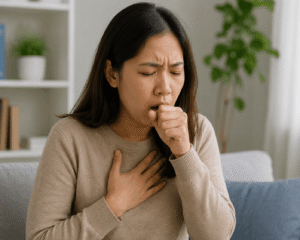
Emphysema quietly reshapes the lungs years before most people notice a problem. By the time breathlessness on the stairs or during a short walk becomes hard to ignore, the underlying damage has usually been building for a long time. Because emphysema develops slowly and its early symptoms are easy to explain away as unfitness or simply getting older, many people live with reduced lung function long before they seek help. Understanding what emphysema is, what causes it and how it is diagnosed makes it far easier to act early, when treatment has the most to offer.
What Is Emphysema?
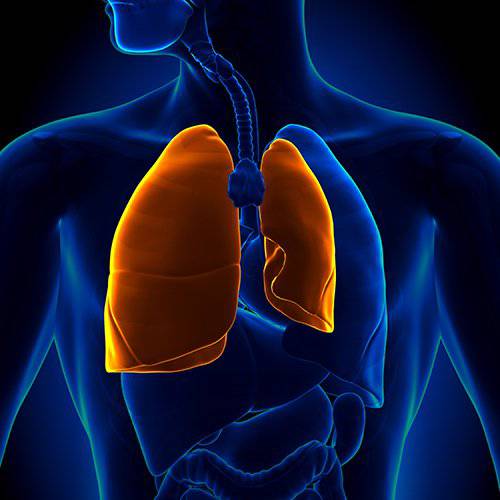
Emphysema is a long-term lung condition in which the walls of the tiny air sacs in the lungs, called alveoli, gradually break down. These air sacs are where oxygen passes into the bloodstream and carbon dioxide passes out, so healthy alveoli rely on having a large surface area and elastic walls that spring back after every breath. In emphysema, repeated inflammation damages this delicate structure. Neighbouring air sacs merge into larger, less efficient spaces, the lungs lose their natural elasticity and air becomes trapped inside them instead of being exhaled properly.
Emphysema is one of the two main conditions that make up chronic obstructive pulmonary disease (COPD), alongside chronic bronchitis. Most people diagnosed with COPD have a combination of both, though the balance between the two varies from person to person. Because the damage to the alveoli is structural rather than something that can be repaired, emphysema cannot be reversed. Treatment instead focuses on slowing progression, easing symptoms and protecting the lung function a person still has.
Symptoms of Emphysema
Emphysema symptoms tend to appear gradually, often over many years, which is part of why the condition is so frequently diagnosed later than it could be. Common symptoms include the following:
- Breathlessness that starts with exertion and gradually appears during lighter activity,
- A persistent cough, with or without phlegm,
- Wheezing, particularly during physical activity,
- Fatigue and a noticeably reduced ability to exercise,
- Unintentional weight loss and loss of muscle bulk in more advanced disease and/or
- A barrel-shaped chest, caused by lungs that stay over-inflated with trapped air.
Some people with emphysema instinctively adopt pursed-lip breathing, breathing out slowly through partly closed lips, because it helps keep the airways open for a fraction longer and makes exhaling trapped air a little easier. As emphysema progresses, flare-ups (sudden worsening of symptoms, often triggered by a chest infection or cold weather) tend to become more frequent. Some people also develop a bluish tinge to the lips or fingertips due to low blood oxygen levels, which needs urgent medical attention.
What Causes Emphysema?
Smoking is by far the leading cause of emphysema, responsible for the large majority of cases diagnosed in the UK. Cigarette smoke triggers chronic inflammation in the lungs; over years this inflammation gradually destroys the walls of the alveoli. The risk rises with both the number of cigarettes smoked and the number of years someone has smoked, though not everyone who smokes goes on to develop emphysema; genetics likely plays a role in individual susceptibility too.
Other contributing factors include:
- Long-term occupational exposure to dust, fumes and chemical irritants, relevant to farming, construction and manufacturing work across Northern Ireland,
- Long-term exposure to air pollution, both outdoor and indoor,
- Alpha-1 antitrypsin deficiency (AATD), an inherited genetic condition that reduces a liver protein which normally protects the lungs from damage. AATD-related emphysema tends to appear earlier in life, sometimes in a person’s thirties or forties; it can affect people who have never smoked,
- A history of severe respiratory infections in childhood, which may affect how the lungs develop, and/or
- Long-term passive smoke exposure.
Because AATD is inherited and often goes unrecognised, guidance from the Asthma + Lung UK charity recommends that anyone diagnosed with emphysema at a younger age or with no significant smoking history is offered a simple blood test to check for the deficiency. Identifying AATD matters because it can affect other family members and opens the door to specific treatment options that would not otherwise be considered.
Emphysema vs Chronic Bronchitis: How They Differ
Emphysema and chronic bronchitis are both forms of COPD and frequently occur together, but they affect the lungs in distinct ways.
| Feature | Emphysema | Chronic Bronchitis |
|---|---|---|
| What is damaged | Air sacs (alveoli) | Airway lining (bronchi) |
| Main mechanism | Loss of surface area and elasticity | Inflammation and excess mucus |
| Typical cough | Present but often drier | Persistent, with phlegm |
| Chest shape | Can become barrel-shaped | Usually unchanged |
| Oxygen exchange | Reduced due to lost surface area | Reduced due to airway narrowing |
| Breathlessness pattern | Progressive, exertion-related | Often worse with infections |
In practice, most people with COPD have overlapping features of both conditions rather than a pure, textbook case of either one. This is one of the reasons a proper assessment, rather than relying on symptoms alone, matters so much for getting the right diagnosis and treatment plan.

How Is Emphysema Diagnosed?
A diagnosis typically starts with a GP taking a detailed history of your symptoms, smoking history and any relevant occupational exposures, followed by a physical examination. From there, a combination of tests helps confirm emphysema and rule out other causes of breathlessness, such as asthma or heart disease:
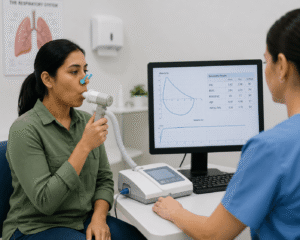
- Spirometry is the key diagnostic test. You breathe forcefully into a mouthpiece connected to a spirometer, which measures forced vital capacity (FVC), the total amount of air you can exhale, alongside forced expiratory volume in one second (FEV1), how much of that air comes out in the first second. A reduced FEV1/FVC ratio confirms airflow obstruction consistent with emphysema and the wider COPD picture.
- Full pulmonary function tests, including a measurement called diffusing capacity for carbon monoxide (DLCO), assess how efficiently oxygen passes from the lungs into the blood. A disproportionately reduced DLCO is particularly characteristic of emphysema, since it reflects the loss of alveolar surface area.
- A chest CT scan can directly show the damaged, over-inflated areas of lung tissue and any large air pockets known as bullae, which is useful when planning treatment for more advanced disease.
- Chest X-ray, mainly used to rule out other explanations for symptoms, such as lung cancer or heart failure.
- A blood test for alpha-1 antitrypsin deficiency, particularly relevant for younger patients or those with little or no smoking history.
- Pulse oximetry, a quick, non-invasive check of blood oxygen levels.
At Friends Medical Service, our lung function test service offers same-day or fast-tracked private spirometry and FeNO testing, without the wait that often comes with a routine referral pathway. A referral appointment with our GP costs £70, while a suspected COPD assessment, which covers emphysema-type presentations, starts from £180. Where a more detailed specialist opinion is needed, our respiratory consultant service provides an initial consultation for £225, including a £25 admin fee. You can also read our complete guide to respiratory consultations and lung function testing for more detail on what each private pulmonary function test involves and how to prepare for one.
Emphysema Severity: Understanding the Stages
Once emphysema and the wider COPD diagnosis are confirmed, spirometry results are used to grade the severity of airflow obstruction, generally following this pattern:
| Stage | FEV1 (% predicted) | Typical picture |
|---|---|---|
| Mild | 80% or above | Some airflow limitation, often with few noticeable symptoms |
| Moderate | 50 to 79% | Breathlessness on exertion becomes more noticeable |
| Severe | 30 to 49% | Breathlessness affects daily activities |
| Very severe | Below 30% | Significant impact on quality of life |
Clinicians also assess DLCO and, where relevant, the pattern seen on a CT scan (described as heterogeneous where damage is concentrated in specific areas or homogeneous where it is spread more evenly) to build a fuller picture. It’s worth remembering that a stage reflects lung function at a single point in time rather than a fixed prognosis. Many people with a moderate diagnosis manage their symptoms well for years with the right combination of treatment and lifestyle changes.
Treatment and Management of Emphysema
There is no cure for emphysema, since the damage to the alveoli is permanent, but a combination of lifestyle changes and medical treatment can ease symptoms, slow further decline and protect quality of life.
Stopping smoking is the single most effective step anyone with emphysema can take. It will not restore lung tissue that has already been damaged, but it substantially slows any further loss of lung function. Our complete guide to quitting smoking covers stop smoking aids, building a personal quit plan and how our GP team can support you through the process.
Inhaled treatment usually follows a stepped approach, starting with short-acting bronchodilators for symptom relief and progressing where needed to long-acting bronchodilators and combination inhalers that also include an inhaled corticosteroid.
Pulmonary rehabilitation combines supervised exercise with education on breathing techniques and energy conservation. It has strong evidence behind it for improving exercise tolerance and quality of life, even in people with significant lung damage.
Vaccinations, including the annual flu vaccine, the pneumococcal vaccine and the COVID-19 vaccine, are recommended, since chest infections are a common trigger for flare-ups and can cause lasting drops in lung function.
Oxygen therapy may be considered for people with more advanced disease and persistently low blood oxygen levels, assessed through blood gas measurements taken on separate occasions.
Lung volume reduction procedures are more specific to emphysema than to chronic bronchitis. These include lung volume reduction surgery, in which the most damaged areas of lung are removed so healthier tissue can expand and work more efficiently. A less invasive alternative uses one-way endobronchial valves inserted via a bronchoscope instead. Where a single large bulla is causing significant symptoms, a bullectomy to remove it specifically may also be considered.
Alpha-1 antitrypsin augmentation therapy, which replaces the missing protein directly, is available in some cases for people whose emphysema is linked to a confirmed deficiency.
Lung transplantation remains an option for a small number of people with very advanced disease who meet strict eligibility criteria; it is managed through specialist NHS transplant centres.
Living with Emphysema Day to Day
Alongside medical treatment, a number of practical adjustments can make a genuine difference to daily life with emphysema:
- Pacing activities and building in rest periods rather than pushing through breathlessness,
- Practising pursed-lip and diaphragmatic breathing techniques to manage breathlessness more effectively,
- Maintaining a healthy weight, since both being underweight and carrying excess weight make breathing harder,
- Staying as active as symptoms comfortably allow, since inactivity tends to make breathlessness worse over time,
- Avoiding known triggers such as cold air, smoke and high-pollution days where possible and/or
- Seeking support for low mood or anxiety, which are common alongside long-term breathing conditions and are worth raising with your GP.
When Should You See a Doctor?
It is worth seeing a GP if you have persistent breathlessness, a cough that will not clear or you find yourself avoiding activities you used to manage comfortably, particularly if you smoke or have smoked in the past. Seek urgent medical attention if you experience sudden severe breathlessness, blue lips or fingertips or you start coughing up blood.
At Friends Medical Service, based in Lurgan and serving patients across Belfast, Craigavon, Portadown, Lisburn, Banbridge and Armagh, you can book a GP appointment to discuss your symptoms and arrange lung function testing or go straight for a suspected COPD assessment if you already have a referral. Where specialist input is needed, our respiratory consultant service gives fast access to Dr Hagan, a consultant in respiratory and general medicine with particular expertise in COPD, emphysema, asthma and undiagnosed breathlessness. Patients travelling from the Republic of Ireland are also welcome; further details are available on our cross-border patients page.
FAQs
Is emphysema the same as COPD?
Not quite. COPD is the umbrella term for a group of progressive lung conditions; emphysema is one of the two main conditions that sit under that umbrella, alongside chronic bronchitis. Most people with COPD have some degree of both.
Can emphysema be reversed?
No. The damage to the alveoli is permanent, so emphysema cannot be reversed. Treatment focuses on slowing further decline, easing symptoms and protecting the lung function that remains. Stopping smoking is the single most effective step for achieving this.
What is the life expectancy with emphysema?
This varies considerably depending on how advanced the condition is at diagnosis, whether smoking continues and how well treatment and lifestyle changes are followed. Many people live full, active lives for years following an early diagnosis and a well-managed treatment plan.
Can non-smokers get emphysema?
Yes. While smoking is the leading cause, emphysema can also develop from long-term occupational exposure, air pollution or alpha-1 antitrypsin deficiency, a genetic condition that can cause emphysema in younger people who have never smoked.
What is a barrel chest?
A barrel chest describes a rounder, more expanded chest shape that can develop in people with emphysema. It happens because damaged, less elastic lungs stay over-inflated with trapped air, gradually changing the shape of the rib cage over time.
How is emphysema different to chronic bronchitis?
Emphysema damages the tiny air sacs where oxygen exchange happens, while chronic bronchitis involves long-term inflammation and mucus production in the airways themselves. Most people with COPD have a mixture of both rather than a pure form of either condition.
What tests are used to diagnose emphysema?
Diagnosis usually combines a spirometry test to measure airflow, full pulmonary function testing to assess gas exchange and sometimes a chest CT scan to look directly at the lung tissue. A blood test for alpha-1 antitrypsin deficiency may also be recommended, particularly for younger patients or non-smokers.
Can exercise help emphysema?
Yes. Regular, appropriately paced exercise, particularly through a structured pulmonary rehabilitation programme, is one of the most effective ways to improve breathlessness, fitness and overall quality of life with emphysema, even when lung damage is already significant.
Further Reading
If you’d like to read more from independent, patient-focused sources before your consultation, the following are reputable places to start:
- NHS: Chronic obstructive pulmonary disease (COPD)
- NICE NG115: Chronic obstructive pulmonary disease in over 16s
- Asthma + Lung UK: Lung volume reduction procedures
- Alpha-1 UK Support Group
These resources are a helpful starting point for background reading, but they supplement rather than replace a proper clinical assessment of your own symptoms.
Ready to Get Answers About Your Breathing?
If you’ve noticed ongoing breathlessness, a persistent cough or a reduced ability to exercise, getting tested early can make a real difference to how emphysema is managed going forward. Book a private lung function test or a GP appointment with Friends Medical Service today, explore our GP subscription plans for ongoing care or get in touch with our team to discuss the right first step for you.